Before diving into deep scrubbing, take 5–10 minutes to walk through your space and make note of:
High‑traffic floor areas (carpet traffic lanes, dirt buildup)
Bathrooms and restrooms (fixtures, grout, sinks, mirrors)
Break rooms or kitchens (leftover grease, fingerprints, appliances)
Entryways (mud, pine needles, moisture)
Office desks or home workspaces (clutter, dust, cables)
Windows and tracks (condensation, dust, fog residue)
A simple audit keeps you focused and prevents overwhelm.
2. Deep Clean the Areas You Avoided During the Holidays
Even the most organized homes and businesses get behind in December. January is ideal for tackling:
✔ Carpet & Upholstery
Holiday gatherings, winter weather, and pet traffic can grind dirt deep into fabrics. A professional carpet or upholstery cleaning:
Removes allergens
Improves air quality
Restores freshness to your living or office space
✔ Kitchens & Break Rooms
This is one of the most used areas in any setting. Degreasing, sanitizing, and wiping down appliances makes a huge difference.
The CDC recommends regular disinfection of high‑touch surfaces to reduce the spread of viruses — making January the perfect time to reset kitchens and bathrooms.
Winter humidity + heavy traffic = grime. A proper reset includes:
Scrubbing grout
Polishing fixtures
Sanitizing high‑touch surfaces
Removing soap scum and calcium build‑up
✔ Bedrooms & Office Spaces
Fresh linens, dusted blinds, decluttered surfaces — small steps that improve sleep and productivity.
3. Businesses: Perform a January Janitorial Reset
January is the best time to reorganize your cleaning plan for the year. A clean office helps reduce sick days, improve morale, and impress clients.
“OSHA notes that good workplace housekeeping improves productivity, reduces hazards, and boosts employee morale — all ideal goals as your team enters 2026.”
Reviewing your cleaning frequency (1x/week, 2x/week, nightly)
If you’re juggling staff schedules, customers, and deadlines — outsourcing your janitorial routine eliminates stress instantly.
4. Simplify Your Life With a 20‑Minute Declutter Routine
January is declutter season. If you don’t know where to begin, use this easy strategy:
Pick one area per day. Spend 20 minutes. Stop when the timer ends.
Great spots to start:
Entryway drop zone
Kitchen pantry or fridge
Home office desk
Vehicle interior
Supply closets
Laundry room
Office file cabinets
Small steps, done consistently, create massive momentum.
5. Improve Your Indoor Air This Winter
Closed windows and damp weather can make your indoor air stale — especially in coastal areas like Eureka, Arcata, and McKinleyville.
Winter months can reduce ventilation and trap allergens indoors. According to the EPA’s indoor air quality guidelines, improving airflow and reducing pollutants can significantly improve comfort during colder seasons.
With over 30+ years of award‑winning service, certified staff, and proven systems, A‑1 Cleaning Service handles the jobs that take your time and energy — so you can focus on what matters most.
Start Your New Year Fresh With A‑1 Cleaning Service
Kick off 2026 with a cleaner, brighter, healthier home or workplace.
📍 Serving all of Humboldt County: Eureka, Arcata, McKinleyville, Trinidad, Fortuna, and beyond
🧽 Book online in under 1 minute: A1Clean.com 📞 Text or Call: (707) 442‑3229
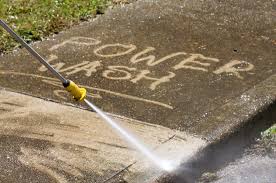
There may be many routines throughout the year that you engage in to keep your house looking sharp. On the inside, it may be waxing the floor, replacing torn window screens and washing upholstery. On the outside, it might be landscaping, cleaning the garage or painting the front door. Though you may think your home is satisfactory, one such cleaning routine that is important to implement is power washing. You can either purchase a pressure washer yourself to do this or hire someone like www.pressurewashingclarksvillemalachiexteriorwash.com to do it for you. A clean property not only elevates the visual appeal of your residence, it also creates a healthy environment for your family.
Power washing might sound like a demanding task, but it’s not as difficult as it seems. All you have to do is set aside an afternoon and invest in a quality machine, and the benefits will follow. Of course, if you didn’t want to do it yourself or are unable to find the time to do it, you could also hire someone like this Pressure washing Richmond Hill, GA service to come out and get the job done for you. The elements can have a serious impact on the house as wind and rain may bring dirt and stain the walls.Power washing prevents long-term damage to your property because it eliminates traces of mold that may be growing on siding, gutters or brick. Not preventing mold formation isn’t best for indoor air quality. You can do a diy mold test to see how bad the mold is affecting your indoor air. Pressure washing can blast through these tough spots and take care of grime, mildew, dust, mold and other potential dangers.
What Can You Power Wash Around the House? from Simpson Cleaning
Maintaining the surfaces of the residence ensures that your investments are being protected. It’s crucial to create a solid defense against the elements and potential health concerns caused by mold and grime. By doing so, you can save money down the road by avoiding expensive, premature refinishing or repainting. If you keep ignoring these signs outside your home, in the long run, you might require assistance from experts who specialize in mold remediation in New Jersey (or similar ones in your vicinity. Therefore, protect your family and the environment in the process by using a power washer once or twice a year. For more information on which areas of the house a pressure washer can be used, take a look at our accompanying resource.
Author bio: Debisree Saha is Senior Marketing Strategist at SIMPSON, a leading manufacturer of electric and gas pressure washers. She has 10 years of experience in the industry and focuses on marketing strategy and execution.
Buckingham Palace is big. Try to imagine a single residence with 775 bedrooms, 78 bathrooms, 92 offices, 19 different staterooms, 760 windows, 350 clocks, and a cash machine, and you’ll soon have an idea of how big the Queen’s home actually is.
Nowadays the Queen — and the Royal Family at large — is more of a diplomat than a sovereign. The result is that Buckingham Palace entertains more guests now than at any other time in its history — about fifty thousand people a year, it is reckoned. Piers Morgan once asked the Queen if she liked hosting so many guests. The Queen replied: “[Well Mr Morgan] how would you like 12,000 complete strangers trampling over your lawns?”
And that’s just guests and doesn’t include actual footfalls from tourists. The Queen’s comment is amusing because it begs the question: How does the Queen keep the Palace clean? At what cost? Here’s how, in five ways, Her Majesty pulls it off.
With a ‘Royal Army’ of cleaners
Things sound less daunting when you realise the Queen employs over 800 cleaners to look after the Palace. Most of them are paid a surprisingly low amount — about £17,000 a year. But they do get free accommodation and free meals in the Palace in addition to their duties, along with a pension scheme and 33 days’ holiday.
The cleaners must work hard: as the Palace has a reputation for being remarkably free of dust. Despite its titanic size, the Royal Army of cleaners quickly removes any dust before it is allowed to settle in the historic home.
The Palace’s garden also has a Royal Army, but a different kind: a legion of eco-gardeners. This Army tends to the 42-acre grounds of the palace. They recycle all the green waste and, using their advanced horticultural skills, take the droppings and straw from the Queen’s stables, start the process of rotting them, and then use them to prepare new flower beds.
A third kind of Army is drafted for one of the Queen’s legendary garden parties, but not to repair the trampled flower beds. This army of 400 staff uses all of its military capability on the grinding out of 20,000 sandwiches, over 20,000 slices of cake, and in the brewing of over 27,000 cups of tea.
With super-sized telescopic window-cleaning poles
The Queen requires her window cleaners to use 100-foot long telescopic poles to clean the near-thousand windows of Buckingham Palace. The Queen requires them because she — like any other person — has the right to a private life. In the few rooms that are off-limits to the forever curious public, these 100-foot poles rule out any possibility that anyone from the outside can effectively peer into those private quarters.
By having ‘unique’ job roles
Perhaps the greatest threat to the maintenance of Buckingham Palace is that so many roles it requires are threatened with extinction. Twice a year, to correspond with the turning of the clocks forwards and backwards, the Queen employs a ‘horologist’. But horology is studied by precious few people. The British Horological Institute only has 2,400 members, and in 2013 only 86 people in the entire country had the qualifications necessary to adequately tweak the Queen’s clocks.
Other jobs the Queen requires include the role of cleaning “historic vases and irreplaceable paintings” (a scantily paid 20 hour a week job, with a salary of under £10,000 a year); a “frames conservator” who looks after the picture frames of said irreplaceable paintings (the salary for this is a modest £27,800 a year); and a “senior art handler”. The latter role is tasked with handling over 8,000 paintings and 3,000 miniatures and is paid £30,000 a year.
The Queen even has her own in-house pot washers. With there being so many garden parties and guests each year, a handful of kitchen staffers are paid to non-stop wash pots all year round.
The most glamorous job role of all (in both stature and pay) however, is perhaps the “Master of the Household” position. At a handsome £122,000 a year, the Master has the job of ordering all of the domestic staff about in the Royal kitchens, along with any pages, footmen, the Housekeeper, and the Housekeeper’s staff.
By having a “110 percent” culture
Unsurprisingly, the Queen requires her staff members to give their all and cut no corners. For example, staffers in the dining room employ what is known as a ‘Butler’s Ruler’ to make sure each plate is exactly an inch from the edge of the table.
Folding is also important to get right. The Queen once remarked to a staffer, named Barbara Allred, that “one could cut one’s lip” on the stiff napkins that she had set out improperly. The “110 percent” culture is perhaps no better noted than in the schemes that the Palace runs for the public. Anyone can train to be a royal-standard butler if they can find £7,000 and a place to stay near the training grounds of Blenheim Palace in Oxfordshire (etiquette lessons are also included). The course may take four weeks to complete but then, and only then, can one properly eliminate the fear of having one’s Queen cut her lip on the napkins.
— This article was written by Neil Wright on behalf of Thomas Cleaning.
Cleaning the house is one of those things that most people just don’t like to do. Getting out the rubber gloves, smelling all of the chemicals and spot cleaning with a toothbrush isn’t exactly the most appealing activity.
However, different areas in your house can be a breeding ground for bacteria, mold and fungus. Places you didn’t know were hazardous like your kitchen and bathroom sinks can become some of the most disgusting places.
So how often, exactly, should you clean each area of the home? We’ve got your answers!
Living Rooms
Your living rooms are naturally some of the cleanest parts of the home. However, we can track dirt in or kids and pets can make spills, so it’s best to keep up with this area fairly often. Here’s how often you should clean things in your living room.
Carpet
Once a week: Your carpet is a place where dust, dirt and allergens tend to hide. Giving your floors a weekly clean with a good-quality vacuum cleaner is super important. In places with constant foot traffic, you may want to vacuum more than once a week.
Protip: If you need to spot clean a stain, you can mix a teaspoon of liquid dish detergent with a quart of warm water and teaspoon of white vinegar. Apply this mixture on the spot and then rinse and blot dry!
Couch
Once every two weeks: Most people don’t realize how much dirt, dust, fur and oils your furniture absorbs. It can host allergens and other nasty things if left unattended. Regular cleaning can help extend the life of your furniture, which means a surface cleaning every couple of weeks using the upholstery attachment on your vacuum.
Protip: You should also plan to have a professional clean the upholstery about once a year, depending on how much you use the piece of furniture. If you develop a stain in between cleanings, put your iron on the “steam” setting and wave it back and forth over the problem spot.
Windows and Blinds
Once a month: The windows and blinds in your house can accumulate dust and dirt. To keep the mess at bay, you should try to wipe down your windows and blinds at least once a month.
Protip: When cleaning your blinds, you can use an old sock dipped in a 50/50 solution of vinegar and water. Stick your hand inside the sock and swipe it over each blind for a quick and easy clean.
Ceiling Fans
Once a month: Have you ever had dust accumulate on the blades of your ceiling fan? Since it’s so high up, many people forget that it’s up there until the dust bunnies have already taken over and interfered with the function of the fan. To prevent dust buildup, clean the top of your fan once a week.
Protip: You can prevent the dust from falling everywhere if you slide each fan blade into a pillowcase, enclose the case around it, then slide it off.
Furthermore, make sure you have a ladder that lets you reach high enough to comfortably reach the fan without pulling on it. Otherwise you may potentially break the wire fixtures, requiring emergency electrician options to fix or replace it.
Baseboards
Once a month: Your baseboards can collect dust and dirt, but most homeowners don’t see cleaning the baseboards as a priority. If you keep up with cleaning them once a month the task won’t be too time-consuming.
Protip: Use the brush attachment on your vacuum to swipe the top edge where the dust settles. If there are scuffs or spills, wipe them away with an erasing sponge.
Fireplace
Once or twice a year: If you own a fireplace, it is most likely that you would use it mainly in the winters. Cleaning it once a year, preferably just before or after the entire timespan of you using it, can be ideal. The same goes with the chimneys.
Protip: Do not try to clean your fireplace by yourself. There can be a high chance of you getting the dust and soot everywhere and not really getting anything cleaned. Instead, you can hire professionals for Milwaukee chimney sweeping services (or based on your location), and let the experts handle the job.
Bedrooms
Your bedroom may accumulate more germs than you realize. Since you spend a good amount of time here (approximately one-third of your life), it tends to accumulate germs. How often exactly should you clean your sleeping quarters? We explain here.
Bed Linens
Once a week: Bed sheets can accumulate a serious collection of sweat, body oils, dirt from outside, and more. When they get too dirty they can become a breeding ground for bacteria and fungi. Those are not things you want sharing a bed with you! While most people wash their sheets only every four weeks, experts recommend washing them once a week.
Protip: If you have white sheets, toss a squeeze of lemon juice in the washer. It’s a natural brightener without the chemicals in bleach products.
Duvet Cover
Once a month: If you use a top sheet you can get away with washing your duvet cover once a month. If you don’t, you may want to wash it every two weeks just to be safe. Like pillows and bed linens, duvet covers can be a breeding ground for bacteria, fungus and dust mites.
Protip: Changing a duvet cover is on most people’s list of top annoying things, but did you know there is a simple hack to make the job easier? Use the burrito method for an easy switcharoo. Turn your duvet cover inside out and place comforter on top. Roll it up, tuck it in, and unroll it-it’s magically on!
Mattress
Every three months: Your mattress is another thing that can accumulate sweat, dust, dust mites and allergens quite easily. To keep the bacteria and fungi at bay, clean your mattress with the seasons. You can use the upholstery attachment to vacuum the mattress, and clean its cover (if it has one).
Protip: Spot clean oil stains or food spills with a mix of baking soda, salt and water. Cover the stain, let it sit for 30 minutes then wipe it away with a damp cloth.
This might not always be the best way forward, you have to know when your mattress has had enough and you need to upgrade. There are plenty of places to find a new mattress online. Perhaps it is a better bet to find some reviews of styles and materials so you know what might be best for you. Everyone has their own unique desire of comfort. Start with this interesting aldi mattress as an example of a good all rounder mattress.
Closets
Twice a year: It’s usually a best practice to do a full-closet cleaning and purge twice a year. While it can seem like a daunting task, having a clean closet full of clothes you actually wear can be a game changer for your morning routine.
Protip: When purging, keep basic, classic items and toss anything trendy you haven’t worn in over a year. You can also ditch duplicate items or things you don’t feel comfortable in. Your closet should be full of only things that make you happy!
Bathrooms
We all know the bathrooms can get pretty gross, but most people probably still don’t clean them as often as they should. Things like bath towels and bath mats can accumulate mold, while your toilet and sink can be a bacteria breeding ground. Here’s how often you should clean the things in your bathroom.
Toilet
Every day: Toilets have a reputation for being the dirtiest place in the house, but the average toilet is cleaner than you think. To make sure your toilet stays sanitary, it’s best to give it a light clean every day, then give it a deep clean once a week.
Protip: Want to keep toilet stains at bay? Pour vinegar in the top of your toilet and let that sit while you spray vinegar around the seat and clean. If you are continuing to get excessively nasty smells from your toilet it might be a sign of a plumbing issue. The Summers Plumbing Heating & Cooling – plumber website might be able to help you if you suspect this to be the case.
Bathroom Sinks
Every day: Did you know that your bathroom sink is even dirtier than your toilet seat? The bacteria travel from your hands onto the sink every time you wash your hands, so it’s incredibly important to disinfect your bathroom sinks every day.
Protip: You can use disposable disinfecting wipes daily to make sure the area stays sanitized. It’s easy, and you can throw the whole mess away afterward!
Bath Towels
Every three or four uses: Towels are tricky, because the more you use them, the more often you will need to change them. If you take more than one shower a day, or if you have multiple family members using a towel, it may need to be cleaned once every couple of days.
Protip: On the other hand, if you’re the only one using it and you shower at the gym three times a week, you may be able to get away with washing it weekly. Be sure to wash your towels in water that is at least 140 degrees Fahrenheit (60 degrees Celsius) so that you kill all of the bacteria that’s inevitably breeding them.
Shower Grout
Once a week: Your grout can be one of the most annoying things to clean in your bathroom. However, it can also make the most impact on how clean your bathroom looks. Nobody likes a shower with dirty grout, so keep up with cleaning it weekly.
Protip: To clean, dip a toothbrush in bleach and scrub any discolored areas. Every once in a while you will need to seal your grout so that water and mold can’t seep in.
Bath Mats
Once a month: Bath mats that have rubber backing can wear out faster if they are washed more than once a month. However, mats that don’t have a rubber backing, or that are in a frequently used or extra-dirty space like the kids’ bathroom can be washed more often.
Protip: If a rug doesn’t have time to dry out it can harbor all kinds of mold and fungi. To kill all signs of life, wash the rug on high heat. Rugs with rubber backing should be air-dried.
Bedrooms
Your bedroom may accumulate more germs than you realize. Since you spend a good amount of time here (approximately one-third of your life), it tends to accumulate germs. How often exactly should you clean your sleeping quarters? We explain here.
Bed Linens
Once a week: Bed sheets can accumulate a serious collection of sweat, body oils, dirt from outside and more. When they get too dirty they can become a breeding ground for bacteria and fungi. Those are not things you want sharing a bed with you! While most people wash their sheets only every four weeks, experts recommend washing them once a week.
Protip: If you have white sheets, toss a squeeze of lemon juice in the washer. It’s a natural brightener without the chemicals in bleach products.
Duvet Cover
Once a month: If you use a top sheet you can get away with washing your duvet cover once a month. If you don’t, you may want to wash it every two weeks just to be safe. Like pillows and bed linens, duvet covers can be a breeding ground for bacteria, fungus and dust mites.
Protip: Changing a duvet cover is on most people’s list of top annoying things, but did you know there is a simple hack to make the job easier? Use the burrito method for an easy switcharoo. Turn your duvet cover inside out and place comforter on top. Roll it up, tuck it in, and unroll it-it’s magically on!
Bed Pillows
Every three months: While you should be washing your sheets (and pillowcases) once a week, you should be washing the pillows themselves once every three months. Pillows can play host to critters and debris like dirt, oil, skin cells and even dust mites.
Protip: Most down-alternative pillows can go in the washing machine, while feather pillows need to be dry cleaned. Buy down-alternative to ensure cleaning is easy and frequent.
Mattress
Every three months: Your mattress is another thing that can accumulate sweat, dust, dust mites and allergens quite easily. To keep the bacteria and fungi at bay, clean your mattress with the seasons. You can use the upholstery attachment to vacuum the mattress, and clean its cover (if it has one).
Protip: Spot clean oil stains or food spills with a mix of baking soda, salt and water. Cover the stain, let it sit for 30 minutes then wipe it away with a damp cloth.
Closets
Twice a year: It’s usually a best practice to do a full-closet cleaning and purge twice a year. While it can seem like a daunting task, having a clean closet full of clothes you actually wear can be a game changer for your morning routine.
Protip: When purging, keep basic, classic items and toss anything trendy you haven’t worn in over a year. You can also ditch duplicate items or things you don’t feel comfortable in. Your closet should be full of only things that make you happy!
Kitchens
Believe it or not, your kitchen is one of the dirtiest place in your house. This is pretty unsettling considering we cook our food here. But, that’s precisely why it’s so dirty! Germs like e.coli can stick on cutting boards, hide in your fridge and set up camp in your sink. Here’s how often you’ll need to clean to maintain a safe and sanitary cooking environment.
Kitchen Counters/Sink
Every day: The kitchen sink and counters can be another place that germs accumulate. Since you’re often cutting meat and dealing with food products, the kitchen sink can actually end up being one of the dirtiest places in the whole house. Also, while doing your dishes, make sure you don’t put food particles into the sink. Regular deposits of leftover food can end up clogging up the sink and you may have to call in a professional plumber from firms like AC Plumbing (https://www.acplumbing.com.au/plumber-brisbane/) or the ones like them in your vicinity who can fix the clogging issue. Additionally, a clogged sink can be the perfect place for bacteria and viruses to thrive. Therefore, it’s imperative that you disinfect your bathroom sinks every day.
Protip: To keep your eating area sanitary, use one tablespoon bleach in one quart of water and spray down the sink daily. You can also use disposable disinfecting wipes here.
Sponges
Every week: Unfortunately, the trend is to keep your kitchen sponges until they smell and fall apart. Letting them get this bad means that they’re teeming with bacteria, funguses and things that can potentially make you sick. You should be cleaning your sponge weekly, and replacing them every two to three weeks.
Protip: For their weekly cleanings, mix cups bleach in one gallon of water and let your sponges soak for several minutes. Then just rinse and you’re done!
Oven
Once a month: Many people think that cleaning their oven is something to save for a special occasion, but the longer you wait to clean it, the harder it will be. Keeping up with monthly cleanings is the best way to make sure your oven stays in good working order.
Protip: A trick to making the process easier is to put a bowl of water in the oven and turn it up to high for 20 minutes. This will help loosen some of the dried dirt and grease. Then, wait for the oven to cool before wiping it clean!
Dishwasher
Once a month: Most people don’t realize that their dishwasher can accumulate all sorts of gunk and grime. It cleans the dishes you eat off of so you will want to make sure you give it a routine cleaning once a month (and a deep cleaning once or twice a year).
Protip: Place a cup of vinegar inside the dishwasher and run it on a hot water cycle. This is a great way to routinely clean your dishwasher and keep it in tip-top shape.
Refrigerator
Four times a year: A clean fridge is a safe fridge, yet nobody likes to deep clean it. While it’s best to give it a wipe down daily, you should only need to give it a deep clean about four times a year.
Protip: When you’re getting ready to clean the fridge, purge it of any ingredients that are past their “use by” date. Remove and soak the drawers in warm water while you wipe down the rest of the fridge. It’s best to work in sections so that all of your food doesn’t get too warm!
Few things are more important than maintaining a clean home. Living in a clean, orderly environment does wonders for one’s mental state, but it also saves money down the road-a home left alone for too long might result in having to hire professionals to perform drastic measures such as power cleaning stubbornly stained windows or other cleaning services that cost a pretty penny.
While most agree that it’s necessary to clean their home regularly, many people, when sprucing up their home, prefer to use store-bought cleaning products. For cleaning the house in a better way, Refillable Cleaning Products can be considered as an alternative to those store-bought products. Refillable bottles could prevent you from losing out money due to the frequent purchase of new bottles. Instead, it could be much more cost-effective to buy refills. However, there might be (store-bought cleaning) products that are made with harmful chemicals and are usually sold at higher prices. Apart from costing money, these products can irritate not only the skin, but the eyes and throat as well. They can even cause headaches and other health problems.
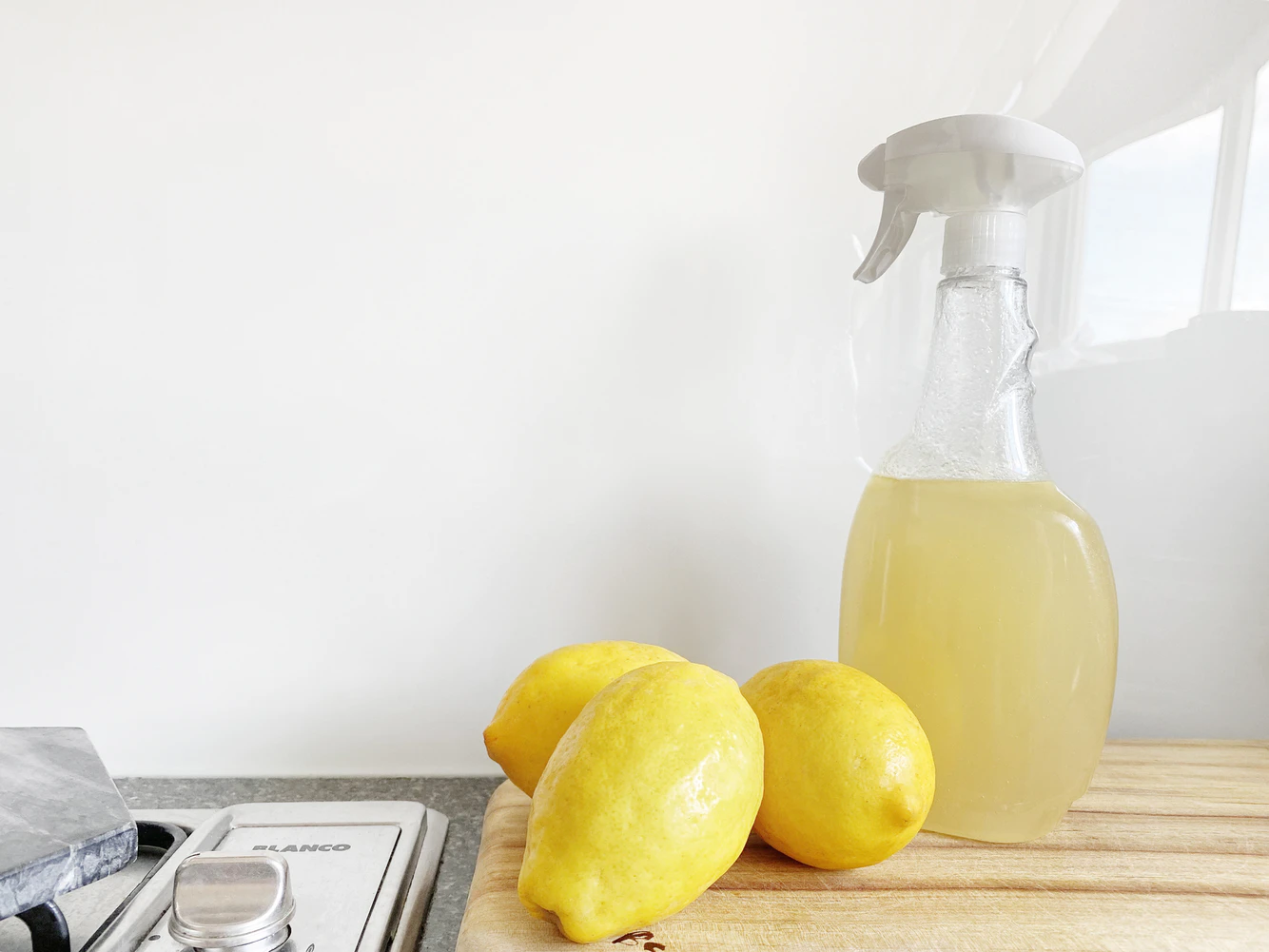
They’re also wholly unnecessary. Using simple ingredients, you can make your own effective cleaner and disinfectant without going out to the store and without these potentially hazardous chemicals. According to Nathan Kiening, pests like roaches are most likely to be found in kitchens because they have easy access to scraps and crumbs that they can eat. If this seems to be the case, by using the contents you have lying around at home, you could create a pest control spray on your own. However, you should keep in mind that it might not always be effective, and you might need to hire a pest control company to help you get rid of them. That said, here are six simple homemade recipes for safe, environmentally friendly cleaning agents.
A Simple Homemade Glass Cleaner (h2)
This easy DIY glass cleaner utilizes ingredients you can easily find around the home. And it promises a streak-free shine!
Take the following ingredients and mix them in a spray bottle:
1 Tbsp. cornstarch
1/4 cup white vinegar
1/4 cup rubbing alcohol
2 cups water
8 drops of an essential oil of your choice for fragrance. (This could include lemon, lavender, orange, or any scent you’d like.)
You should have most of these ingredients handy, though you might need to pick up essential oils, which you can find easily online. They’re also available at many supermarkets and health stores such as Target and GNC.
The best news about this recipe? It costs only roughly 33 cents to make a batch. Your windows, and wallet, will thank you.
A 2-Ingredient Kitchen Cleaner and Deodorizer (h2)
An even more simple, and equally inexpensive, homemade cleaner needs only two simple ingredients. For a simple way to clean kitchen countertops, appliances, and the inside of your refrigerator, simply combine the following items:
4 tablespoons baking soda
1 quart warm water
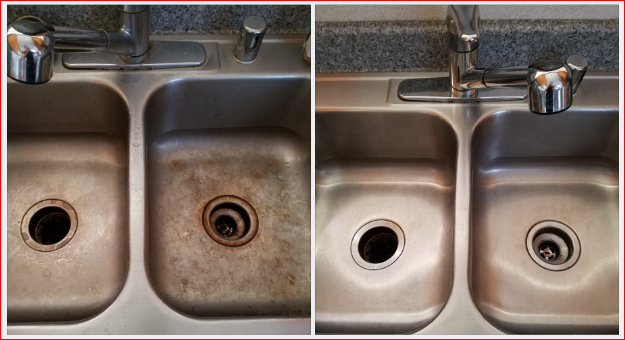
You can use these ingredients in a variety of ways. A simple solution of baking soda and water can be used to deodorize surfaces and clean counters, but you can also remove spots from stainless steel by applying a paste of baking soda and water on the steel and gently scrubbing the affected area with a damp rag.
An Easy and Safe Brass Cleaner (h2)
If you have any brass items in your home, you know that they can tend to tarnish easily. But there’s no need to go to the store and pick up a chemical brass cleaner. You can polish your brass with just three simple ingredients:
1 teaspoon salt
cup vinegar
Flour (until mixture becomes a paste)
Once your vinegar, salt and flour has acquired a paste-like consistency, rub the cleaner into your brass and leave it for ten minutes. Once you rinse it off with warm water, you should find a tarnish-free finish!
A Safe and Affordable Marble and Granite Cleaner (h2)
When cleaning stone surfaces, it’s best to avoid chemical-laden cleaners. But even natural acidic liquids such as vinegar or lemon juice can cause permanent damage to these surfaces.
Thankfully, you don’t need much to create a mixture that’ll perfectly buff and clean marble and granite countertops. Simply combine:
2 cups warm water
2 drops liquid dishwashing soap
That’s it! A little bit of dishwashing soap in warm water will clean your countertops without damaging them. The key here is to not let the wet surface air-dry, once the solution has been applied, buff it off with a dry towel or soft cloth. If you have just had new custom countertops put in, you may want to speak with the company who provided them first to see how best to clean your own. If they agree with this type of cleaning, then carry on with what you were going to do.
An All-Purpose Cleaner for Everyday Use
This recipe is similar to the glass cleaner, but cuts out the rubbing alcohol and cornstarch added to avoid a streaky finish. What you’re left with is a simple, effective all-purpose cleaner that you can use on most surfaces. Take the three following ingredients and add them to a spray bottle:
2 cups warm water
cup distilled white vinegar
20 drops essential oil (of your choice)
Assuming you’ve already procured essential oil for your window cleaning recipe, you can find more use for the bottle to help give your all-purpose cleaner a nice, fresh scent. While we would not recommend using this cleaner on glass or stone countertops, it’s a perfect cleaner for wood, plastic, and everyday items around the home.
Which finally brings us to our last cleaner recipe.
A Natural and Effective Cleaner That’s Guaranteed to Break Up Grease
Arguably the most difficult part of cleaning is dealing with built up grease and gunk, especially in the kitchen around your stove and oven. Most cleaners that can effectively break up these greasy areas are filled with toxic chemicals and fumes that can impact your health with too much exposure.
This recipe, while requiring some ingredients you might have to go out of your way to purchase, helps knock out these grease stains without any nasty chemicals. It requires orange essential oil (though lemon works in a pinch) and castile soap, which you can find at most supermarkets and national chain pharmacies throughout the nation, or you can order it online.
Either way, castile soap is a vegetable-based soap that is environmentally friendly and will help give your degreaser some disinfectant qualities. Once you’ve acquired those two ingredients, you’re good to make your cleaner:
2 tablespoons castile soap (make sure you get a liquid soap version, as castile soap comes in both hard and liquid varieties)
1 and cups water (if you have distilled water, like those sold at Golyath, it will give your cleaner a longer lifespan)
20 drops orange essential oil
And that’s it! Put those three ingredients into a spray bottle, and you’ll be able to knock out grease stains in a heartbeat. And you’ll do so without filling your home with toxic fumes. In fact, this cleaner will smell downright refreshing.
With these six natural, safe, and homemade cleaning products at hand, you’ll find yourself saving money and saving yourself from exposure to harsh chemicals. It’s a win-win!
16 gauge? 20 gauge? 24 gauge? What does it mean? Which one’s the
best stainless steel gauge thickness for my new kitchen sink? These are
some of the questions you might have when choosing your next stainless
steel kitchen sink. There are so many brands and styles from each
manufacturer, and you want to make sure you make an informed choice. This
article will focus on helping you decide on the thickness (gauge) of metal to
shop for and to make the best choice for your situation. If you are finding it hard to decide then you may want to consult a professional plumber or sink installer beforehand for advice. This is also a good time to ask questions such as is it better to use a gauge that has been treated by a heat treating company beforehand? Or what type of metal should you be using specifically for your sink? It can be helpful to get these questions sorted out so you may get all the information you need to be sorted out before you need to make decisions.
THE SHEET OF STAINLESS STEEL THAT IS USED DURING THE
MANUFACTURING PROCESS IS ROLLED TO A SPECIFIC THICKNESS. SHEET METAL IS
AVAILABLE AS FLAT PIECES OR AS A COILED STRIP. THE COILS ARE FORMED BY RUNNING
A CONTINUOUS SHEET OF METAL THROUGH A ROLL SLITTER. THE THICKNESS OF THE SHEET
METAL IS CALLED ITS GAUGE. THE GAUGE OF SHEET METAL RANGES FROM 30 GAUGE TO
ABOUT 8
MOST STAINLESS STEEL SINKS ARE MANUFACTURED USING A
PROCESS CALLED DEEP DRAW FORMING WHERE A SHEET OF METAL IS DRAWN DOWN INTO A
FORM THROUGH A SERIES OF STEPS CALLED REDUCTIONS. EACH REDUCTION STRETCHES THE
SHEET METAL DEEPER AND DEEPER INTO THE FORM, SO WHAT STARTED OUT AS AN 18 GAUGE
SHEET OF METAL WILL NOT END UP BEING 18 GAUGE THROUGHOUT THE ENTIRE FINISHED
PRODUCT. THE INDUSTRY STANDARD IS TO STATE THE GAUGE OF THE METAL THAT THE
MANUFACTURING PROCESS STARTED WITH.
ZERO RADIUS SINKS ARE MANUFACTURED USING A PROCESS
CALLED PRESS BRAKE FORMING WHERE THE SHEET METAL IS BENT INTO THE MAIN SINK
SHAPE UNDER TREMENDOUS PRESSURE BY A MACHINE. THE SIDES ARE THEN ADDED AND
WELDED TO THE MAIN ASSEMBLY, FORMING A BOX SHAPED SINK BASIN. ZERO RADIUS SINKS
ARE IDENTIFIABLE BY THEIR FLAT SIDES AND UNIQUE 90 DEGREE OR NEAR 90 DEGREE
CORNERS. SINCE THESE SINKS ARE BENT INTO SHAPE INSTEAD OF DRAWN, THEY RETAIN A
MORE UNIFORM THICKNESS THROUGHOUT THE FINISHED PRODUCT.
The following table shows the actual thickness for popular gauges
of kitchen sinks, as well as its density and % decrease in thickness compared
to 16 stainless steel gauge, which is typically the heaviest gauge
used for stainless steel kitchen sinks.
Gauge
Decimal Inch
Millimeters
lb/ft2
% Decrease in Thickness Over
16 Gauge
16
0.0625″
1.5875
2.52
–
18
0.05″
1.27
2.016
20%
20
0.0375″
0.9525
1.512
40%
22
0.0312″
0.7925
1.26
50%
24
0.0250″
0.635
1.08
60%
On a side note if you ever need a carpet cleaning service, and you live in the beautiful Eureka CA area. Give A-1 Cleaning Service, LLC a call. They also perform carpet cleaning in Arcata Ca.
Stainless steels are iron alloys with a minimum of 10.5% chromium. Other alloying elements are added to enhance their structure and properties such as formability, strength and cryogenic toughness. These include metals such as:
Nickel
Molybdenum
Titanium
Copper
After a review of a large sample of key players in the kitchen sink market,
including Blanco, Kraus and Houzer, the most common stainless steel alloy used
in the manufacture of stainless steel kitchen sinks is 304 surgical grade
stainless steel. The main elements added to the iron in 304 stainless
steel are 17.5-20% Chromium (Cr) and 8-11% Nickel (Ni). Most sink
manufacturers seem to choose 18% chromium and 10% nickel. With the rising costs
of ferrochrome (used to make chromium) and shortages of nickel, one of the ways
manufacturers control costs of kitchen sinks is to decrease the amount of
material used. However, before you choose any type of kitchen sink for your home, ideally you should consult with a plumbing service provider such as Santa Clarita plumbing by City Plumbing and Rooter and choose the one that best meets your needs. The reason for this is that plumbers are generally familiar with all types of kitchen sinks and can recommend the best option for you. Once you’ve decided on a sink, you can have it installed right away.
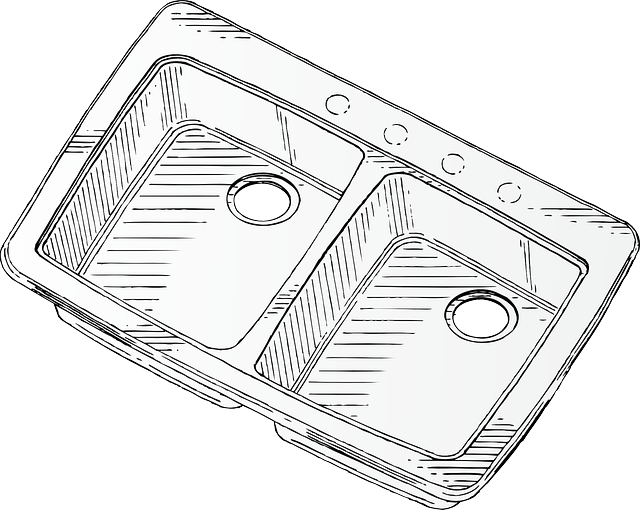
Double Sink
So what should I look for in choosing a kitchen
sink?
When shopping for a stainless steel kitchen sink, the number one thing to
remember when assessing the thickness is: “The lower the number, the
better.” Simply put, a lower gauge like 16 gauge is in most cases
“superior” to a 24 gauge sink because it is thicker. How much thinner is a 24
gauge sink compared to a 16 gauge? Its only 40% as thick. A manufacturer can
make a really cheap 22 or 24 stainless steel gauge sink because they are using
50-60% less material. Thinner sinks like this are usually seen
as topmount or self-rimming and are easily found in big box stores,
or maybe in your brand new home as a “contractor’s sink”. After you’ve decided on a kitchen sink, you should look for a reputable plumber who won’t undo all of your hard work. To find the nearest ones, you may search the internet for keywords such as plumbers Lynchburg or other places.
So why is thicker (lower gauge) better?
A lower gauge (thicker) sink is better for the following reasons:
Improved noise dampening
Less susceptibility to denting and bowing
Strength and durability
It is generally agreed by sink experts that a heavier gauge can
help prevent denting and bowing, and will also contribute to noise
reduction from garbage disposals and items dropped or placed into the
sink. Many sink manufacturers incorporate a sound proofing and
insulation on the underside of the sink with coatings and/or pads. This will
definitely help to make the sink quieter, but a thicker steel sink will have
much better damping characteristics due to its mass.
What happens when you accidentally drop the pointy end of a butcher knife
into the kitchen sink? Hopefully, nothing! A thicker kitchen sink will be less
prone to dent and because it is stronger, it could make the difference between
piercing the sheet metal, and not.
A thicker walled kitchen sink (lower stainless steel gauge) will bow less
when you suddenly drain the water from a pot on the stove because the sheet
metal is stiffer and will be more able to resist thermal expansion and
movement.There is also less tendency for that Pop! sound when
the boiling water hits the bottom of the sink.
Does a thicker (lower gauge) mean a better
quality kitchen sink?
No, not necessarily. There is inherent better quality in the noise damping
and structural integrity of the sink, however there are many other
features which are probably more important in assessing the quality of a sink
like finish, straightness and consistency. A stronger kitchen sink may also necessitate a better drainage system, as it can help prevent any leaks or clogs. Nevertheless, it could be smart to get a drain cleaning service for regular sink maintenance, just so that you can improve functionality and increase the lifespan of your kitchen sink system.
Is thicker always better?
Not necessarily for the sink manufacturer, since it is more difficult to
“deep draw”, or craft from a single sheet, and to reduce welding marks on zero
radius sinks. Depending on the complexity of the sink shape and its method of
manufacture, optimal gauge thickness of 16 or 18 gauge will be used to balance
cost with ease of manufacture and marketing.
So what stainless steel gauge should I buy?
The maximum gauge I would recommend for any stainless
steel kitchen sink is 18 gauge. The best choiceis of
course 16 gauge, however either 16 or 18 gauge will
provide the same top value in terms of cost, performance and overall
satisfaction. Don’t bother with higher gauges (20, 22, 24) which are
significantly thinner. My extensive market analysis shows there is no truth to
the myth that the lowest gauge sinks are the most expensive – 16 and 18 gauge
sinks are similarly priced.
18 Gauge vs 16 Gauge Sink?
If you had the choice between two identical sinks (16 and 18 gauge) at
similar prices, don’t hesitate in getting the 16 gauge sink. Why? A 16 gauge
sink is 0.0625″ thick, while an 18 gauge sink is 0.05″ thick, which is only 20%
less. There is no noticeable difference between the two
gauges, however at the same price range, 16 gauge is “better”
(thicker is better!).
If you had two identical sinks, one 16 gauge and the other 18 gauge, but
the 16 gauge sink was much more expensive, I would recommend the 18 stainless
steel gauge sink, because of the incremental benefits.
Conclusion
In summary, just remember a lower numbered stainless steel gauge is better (thicker is better). The best gauge for stainless steel sinks is 16 gauge if available and the price range is acceptable, however don’t exclude 18 gauge sinks from your selections – either one is great value! The stainless steel kitchen sink is used many times a day and in so many ways. Paying attention to the non-functional requirements as well as the functional requirements will provide many years of satisfaction and pride. Every kitchen deserves a great sink.