Category: Housekeeping

  • Guest Blog: Cleaning Tips to Reduce Smells

    Reduce Smells With These Simple Cleaning Tips

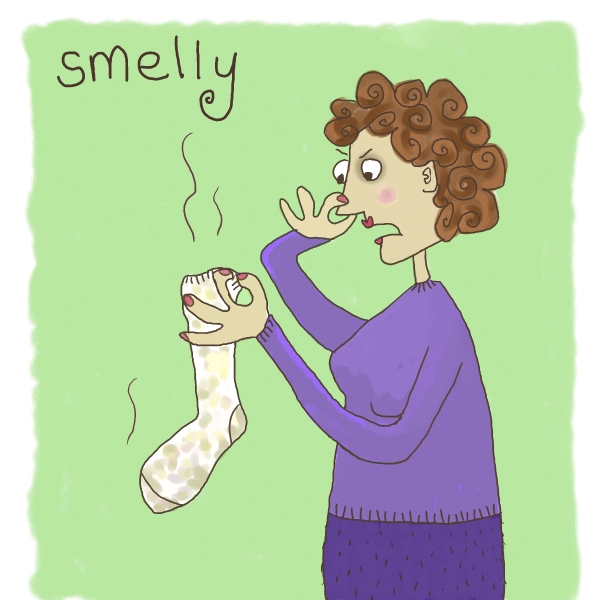
    smelly


    Living in a stinky home is not pleasant. Not only can grime buildup stink, but it can also cause breathing problems and even worse longer lasting health problems. However traditional cleaning chemicals can cause breathing problems as well. What can you do? Try to clean green with these simple tips:

    1. Dishwasher smelling foul? Sprinkle in a handful of baking soda before your next load or between loads.
    2. Remove the musty smell from sponges and loofas by soaking them overnight in four tablespoons of baking soda to one quart of warm water. Let them dry in the sun and they have new life!
    3. Stave off bad smells in your refrigerator and freezer by leaving an open box of baking soda in your refrigerator all the time. Swap it out every month for optimum scent control.
    4. Keep your trash can or recycling bin fresh smelling by sprinkling in a dash of baking soda every time you empty it. Also works great on big outdoor trash cans and helps keep the flies away!
    5. Keep your closets from smelling musty and giving your clothes the same smell. Leave a container of baking soda in the corner of your closet and change out every few months to keep your clothes smelling fresh. Add a drop or two of essential oils for an even better scent.
    6. Stinky gym bags? Sprinkle in a dash of baking soda to drive away smells.
    7. Clean out ashtrays and remove the lingering smoke smell by scrubbing with baking soda.
    8. Get the stink and stain out of plastic containers and lunch boxes with vinegar. Wipe with undiluted vinegar and let sit overnight. For tough stains let the container soak in a half and half solution overnight.
    9. Clean and deodorize the oven with vinegar. Soak the oven with undiluted vinegar and let it sit for several hours or overnight. Then rinse well. For tough stains you can scrub them with baking soda.

    Using baking soda and vinegar to clean can be a great way to cut through the grime and stink without further aggravating the problem. Try some of these easy cleaning tips in your home and see if you can breathe easier.

    Author Bio:

    This post is contributed by Christine Maddox. Currently she is pursuing her Master’s degree from University of Texas as well as blogging for www.4nannies.com. She loves to write anything related to parenting, kids, nanny care etc. She can be reached via email at: christine.4nannies @ gmail.com.


  • Home Cleaning Services

    Home Cleaning Services Referrals

    Although we do not provide in home cleaning services at the moment, we are staring this blog and will add to it in the coming weeks. We also can help you with a few referrals and suggest some reading on deciding how to chose this service.

    Call our front desk for our current home cleaning services referral list. 707-442-3229

    For Home Cleaning Service Rates please read this.

  • Problems With Grass Stains

    Grass Stain problems

    For your tuff summer grass stains, here are some tips…

    – For washables: Use a cleaner made from an enzyme detergent and water, and leave it to soak in a warm place for half an hour. Use an eyedropper to apply a solution of one part ammonia/white vinegar and two parts water to the bleach any remaining stain. Rinse with cold water, and then finish with a normal wash cycle.

    – For unwashables: Your best option here is to send your stained fabric to a dry cleaners. They’ll know all of the trade secrets on how to get a stain out of a wedding dress, suit or silk, so don’t try anything at home or you might end up ruining something precious!

    – Linoleum/Tile: This shouldn’t be too hard. Just wipe with a cloth dipped in warm sudsy water, rinse, and dry with a clean cloth.

    – Carpets: Sponge the area with a dry-cleaning solvent (use light strokes and work outward). Apply the dry spotter to stain then cover with an absorbent rag made damp with the dry spotter. Let it stand, changing the pad as the stain is lifted. Keep both the stain & the pad moist with the dry spotter. Flush with a dry cleaning solvent and allow to dry. Be sure to blot up the excess liquid during the procedure and before drying.

    – Leather/Suede: Mix a mild solution consisting of soap and lukewarm water. Swish to create suds. Apply only the foam with a sponge. Wipe with a clean cloth. If there is still an oily stain, powder the area with an absorbent, like cornmeal. Give plenty of time for it to absorb, then brush off the powder. Repeat as needed.

    I hope these tips helped! Good luck! 🙂

    Why are grass stains so hard to remove?
    Essentially, grass stains are dye stains. They are a combination of protein and other organic matter that has been mixed with the grasses’ juices (which includes chlorophyll, xanothophylls, and cartenoids; if you ever paid attention in science class, you know that these are relatively stable pigmented compounds). What makes these so difficult to remove is that these pigments are so similar to natural fibers like cotton, that the stain actually penetrates and bonds to the fabric fibers. These materials don’t bond as easily to scotch-guarded fabric, as the material is incompatible with the binding process, but all the same grass makes for an annoying stain to remove.

  • Worst Carpet Messes for Parents

    Guest Blog Post: Carpet Castle – Worst Messes That Parents Have to Deal With

    Let’s not sugar coat it, children are messy! If you have kid, you’re probably going to need to hire a carpet cleaner at some point. What’s worse is they don’t get any less messy as they get older. Every parent can remember a time where their child has made such a huge mess of their carpets, walls, windows, doors, stairs, bed… actually it’s probably easier to list what they haven’t dirtied!

    Here are some of the worst messes that will have you reaching for the phone to find a professional carpet cleaner similar to this Rug Cleaning Brighton company, or possibly even buying a new carpet!

    Bodily fluids

    From toddlers to teenagers, it’s inevitable you’ll have to deal with pee, poo, blood, sick and more. Almost every parent will have had to pick up and rush their child to the toilet with them peeing every step of the way. Some toddlers have poo-playing phases – most grow out of this quickly but boy, is it messy! As your children grow into teenagers they may start experimenting with alcohol which, as we all know, can lead to puking. There will often be times growing up when they are ill and vomit – but this will not prepare you for the trails of spew across your carpet, up the stairs or on the walls in the general direction of a toilet.

    Food stuffs

    Children are very creative, which unfortunately also means messy. Talk to any parent and they will tell you about the time their beloved little one found the flour or sugar and decided to make it ‘snow.’ Or when rotten eggs exploded after their kid decided to hatch a chicken, or pouring olive oil over the kitchen floor to make a slip-and-slide. The list goes on, but worst of all is when your sprog manages to get their hands on hamburger meat before promptly grinding it into the carpet.

    Sticky stuff

    More of a broad category, but it will often leave you on the phone to a carpet supplier to get a replacement carpet. If you thought the food stuffs listed above were bad, just see what happens if they get their hands on honey, syrup, ice-cream or chewing gum! Some things should come with child-lock tops to save parents the hassle of dealing with ridiculous amounts of mess. The worst sticky situations you will be in is if your kids get hold of glue (bad but not terrible), Vaseline (terrible) or adhesive glitter (worse than terrible). The latter of these may even defeat even the most professional and experienced carpet cleaning company!

    Organic materials

    Typically people think of mud when you refer to organic mess, and for the most part that’s true. However children will bring everything with them! Alongside mud you’re likely to have to deal with sticks, leaves, small animals and even handfuls of gravel or sand. These tend to be annoying and can be tricky to clean up, but thankfully nowhere near as disastrous as some of the above messes!

    About the Author – Carpet Castle is a uniquely styled carpet warehouse with thousands of different styles, patterns and colours at unbeatable prices. As one of Wales’ biggest discount warehouses, Carpet Castle offers great prices on carpets, vinyl and carpet remnants.

  • Must-Haves for Your Cleaning Kit

    Things to Have for Your At-Home Cleaning Kit

    It’s important to keep your house clean. You should always look for a company that offers professional home cleaning services in Denver or whatever city you’re in at least once a year. But you obviously can’t get your house clean yearly and think that’s good enough, you need to get into a weekly routine. But sometimes cleaning can seem like more of a chore than it really is. You’d be surprised how fast you can get work done when you stay organized and take things one at a time. Plus, if you buy the best quality cleaning products then it makes the whole process a lot easier. But that’s a very open statement. What is the best canister vacuum cleaner to buy? What type of cloth is the best? Who does the best bleach? All this can be found out through a little research. The point of this guide is to give a list of the items you’ll need to make an easy-to-carry cleaning kit that you can take around the house without hassle. First of all, start with a cleaning caddy to carry all of your things in.

    Sponges
    The sponge is a well-used tool used in a lot of light cleaning. It is much more eco-friendly than paper towels, as it is reusable and a lot more durable. And while sponges are known for carrying lots of germs, they can also be cleaned.

    To clean your sponge, rinse it in hot, soapy water then put them in the microwave for a minute. Doing this will kill 99% of the germs in the sponge, so you don’t have to worry about spreading around those dirty germs. If you’re concerned about coming into contact with germs and spreading them about the surfaces of your house, you may want to carry a bottle of Hand Sanitizer Canada around with you for quick germ-killing action.

    Toothbrush
    A toothbrush is a really handy cleaning aid. They’re nice because, when your toothbrush is past it’s prime, you don’t have to throw it away; you can repurpose them to scrub places that other cleaning supplies can’t get into.

    Whether it’s scrubbing away limescale or soap scum, a toothbrush makes the perfect handheld fixer upper.

    Duster
    You probably use a feather duster or dusting cloth, but one thing that’s good to remember is that dusters need to be cleaned too. By not cleaning out the dust, you’re actually making it harder to pick up more. I suggest vacuuming your duster after each job. This way it will be ready to go next time. You’ll pick up more dust this way too.

    Along with a regular duster, you might want to consider picking up a specialty duster. You don’t absolutely need it, but getting dust off of your mini-blinds, ceiling fans, and such will be much easier. These dusters are shaped to reach those places where dust loves to hide, so with just a quick go-over with a specialty duster and you’re done.

    The Only 3 Cleaners You Need
    There are only 3 cleaner that you will need for your cleaning kit, and below I’ve explained the uses for each.

    All Purpose Cleaner: All purpose cleaners are a housekeepers dream. You don’t have to keep switching cleaners every time you change surfaces. All-purpose cleaners can be used for a number of things: counters, floors, sinks, oven, toilets, windows, tile and more. While you may not want to use an all-purpose cleaner on all surfaces, this cleaner will usually get the job done.

    Wood Polish Cleaner: Wood polish is great for keeping your wood looking clean, new, and dust-free. Use wood polish on sealed wood furniture, cabinets, wood floors, banisters, etc.

    Scrubbing Cleanser: If you can’t seem to get tough stains out, that’s when you switch to a scrubbing cleansers. Scrubbing cleansers get tough dirt and grime off of sinks, toilets, bathtubs, ovens, pots, grout/tile, and more.

    The Natural Alternative
    If you’re looking for more natural alternatives to the commercial cleaners, then look no further. There are many supplies you probably already have in your kitchen that can get the job done.

    Vinegar: Vinegar kills 98% of bacteria and germs, and you don’t have to worry about it being toxic.

    Baking soda: Baking soda is naturally abrasive, so it can remove dirt and grime. It also absorbs odors.

    Olive Oil: Olive Oil can polish naturally, and it doesn’t dry or leave sticky residue.

    Handheld Vacuum
    A handheld vacuum is great for doing small jobs that don’t require the attention of your full-sized vacuum cleaner. If you keep a handheld vacuum on hand, then it will be much easier to keep from doing those jobs that you’d otherwise leave for next time.

    Magic Eraser
    Special eraser sponges make dirt and grime disappear like magic. They’re made of a soft but strong material called melamine foam that can get to that dirt embedded in your wall or floor without using abrasive action that could damage your surfaces. They take care of scuff marks on your floor, and even get crayon off the wall; all without you having to use tons of elbow grease. All you have to do is add a bit of water and scrub.

    Microfiber Cloths
    Microfiber fabric is specially made to be good at grabbing and holding onto dust. It’s great for cleaning electronics, which always seem to attract a lot of the dust in the air. Microfiber cloths are handy too keep around for dusting purposes. They are available in both washable and disposable varieties.

    Now that you’re well-equipped with the right tools, grab your cleaning kit and tackle those tasks!

  • Making Spring Cleaning Easier for You

    A Guide to Spring Cleaningspring cleaning tips

    Though there are many newer products that make cleaning easy, you might want to consider a more old-school alternative. Here are some household supplies you can use.

    White Vinegar: Vinegar helps prevent the growth of mildew and mold, so use it to wipe down counter tops. If you mix it with warm water it can also be used to clean windows and mirrors.

    Baking Soda: For baking soda, you can make a paste to clean spots from washable wallpaper, or you can mix it with water to clean dirty grout.

    Hydrogen Peroxide: It’s a great disinfectant that you can use on many surfaces, but did you know you can mix a tablespoon of it with ¼ cup of water and spray it on fruits and vegetables to kill bacteria? Just make sure to rinse well after you apply it.

    __________

    Here are some tips and tricks for your spring cleaning to-dos.

    Clearing Clutter and Organizing During Spring Cleaning
    Getting rid of clutter is one of the key points of spring cleaning. So box up items you don’t need. Get rid of clothes you haven’t worn for a year. Plan a garage sale, or donate items to a second hand store. Then you get your steam mop out similar and start cleaning with fewer obstacles in your way. This will make the rest of the cleaning process a lot easier. Having a reliable vacuum cleaner will help. I hear Vacuum cleaners in India are reliable and worth reading about.

    Cleaning Windows
    It’s safe to say window tinting Mishawaka is one of the most popular home improvement searches on Google at the moment. With that in mind, it’s important to keep those beautifully tinted windows sparklingly clean. Window cleaning is much easier when you use a rubber-edged squeegee, and they are much more effective than a cloth or paper towel. First, put a few drops of a mild soap into a bucket of warm water and wet your sponge. (You can also add a bit of vinegar to the mix for an extra clean.) Rub away dirt, then dampen the squeegee and, starting at an upper corner, draw it down the pane from top to bottom. Repeat, making sure to overlap strokes and wipe the rubber edge with the sponge after each stroke. Dry window sills with a cloth. It is best to clean your windows on a cloudy day, or else the cleaner dries too fast and leaves streaks.

    Wash Your Blinds
    You should wash your blinds once or twice a year. For wooden blinds, a few drops of wood cleaner on a nearly dry sponge will work. Aluminum blinds can be washed outdoors. Place them on a slanted surface and scrub with water and a noncorrosive cleaner. Rinse well with a hose and then dry thoroughly with a towel to prevent rust. Fortunately, the blinds offered at shuttercraft-worcestershire.co.uk are extremely durable.

    Refreshing Window Treatments
    Typically, curtains and drapes don’t get dirty enough to launder. Instead, use the upholstery attachment on your vacuum to remove dust and dirt. You can also have them steam or dry-cleaned. If you are replacing heavy curtains with lighter ones for the warmer weather, then it is especially important to make sure they are clean before storing them away. For removing dust from sheer curtains, put them in the dryer on low with a fabric-softener sheet.

    Cleaning Out the Refrigerator
    This task may seem daunting, but it will seem more manageable if you break it down. You should wipe up spills immediately so the surface doesn’t become stained. Make it a habit to check your fridge once a week for old food. Wash the interior with a solution of 2tbsp of baking soda for every quart of warm water. Wash the removable shelves in this solution (But let the glass shelves come to room temperature first to prevent cracking.) Loosen hard spills with the solution, allowing the residue to soften. Scrub the crannies with a toothbrush. Also, vacuum or brush the dust from the condenser coils to keep the system from overheating.

    Sanitize the Sink
    Did you know that your dirty kitchen sink has more bacteria than your toilet seat? To disinfect, clean your sink with soap and water first, then spray a mist of vinegar followed by a mist of hydrogen peroxide, then let air dry. (Do not mix the vinegar and H2O2 together, spray one and then the other.) If your sink is stainless steel, make it sparkle afterward by putting a few drops of mineral oil on a soft cloth and buffing. This prevents water build up, which deters mold and keeps the sink looking clean.

    Dusting Tips
    Always go from top to bottom to prevent having to go over surfaces more than once. Sometimes you will have to wet dust after dry dusting, but always dry dust first.

    When dusting, don’t overdo the polish. When using a furniture oil or polish, be sure not to overuse the product; it can lead to a buildup on your furniture or clouding of the wood surfaces. Using just a dry microfiber cloth will actually pick up more dust and keep your furniture looking nice. You could also use fabric softener sheets as a substitute for more expensive electrostatic cloths. For ceiling fans, slip a pillowcase around the blade to keep the dust from going anywhere. For light fixtures and lightbulbs that are grimy, dampen your cloth with vinegar.

Online Booking