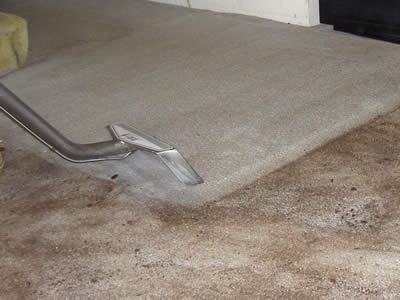
Tag: steam carpet cleaning

  • Chem‑Dry vs Steam Cleaning: What’s the Difference?

    Chem‑Dry vs steam cleaning is one of the most common comparisons homeowners make when choosing a professional carpet cleaning method in Eureka, CA. While both approaches are designed to clean carpets, they work very differently and deliver different results depending on carpet condition, soil level, and long‑term expectations.

    Understanding the differences between Chem‑Dry vs steam cleaning can help you choose the right method for your home, your budget, and your carpet’s lifespan.


    Chem‑Dry vs Steam Cleaning: How Each Method Works

    When comparing Chem‑Dry vs steam cleaning, many homeowners want to understand how steam carpet cleaning works and when it makes the most sense. The biggest difference in the Chem‑Dry vs steam cleaning debate comes down to moisture, cleaning depth, and how soil is removed from carpet fibers.

    Steam Carpet Cleaning (Hot Water Extraction)

    Steam cleaning, also known as hot water extraction, uses heated water and powerful suction to flush dirt, oils, allergens, and residues out of carpet fibers. This method is widely recommended by carpet manufacturers for periodic deep cleaning.

    Chem‑Dry Carpet Cleaning (Low‑Moisture Method)

    Chem‑Dry uses a low‑moisture, carbonated cleaning solution designed to lift surface soil with minimal water. Because less water is used, carpets typically dry faster, making this method appealing for light maintenance cleaning.


    Steam Cleaning Pros and Cons

    Pros of Steam Carpet Cleaning

    • Deeply cleans carpet fibers by flushing out embedded dirt and allergens
    • Highly effective for heavy traffic areas, pet odors, and tough stains
    • Helps remove residues left behind by previous cleanings
    • Often recommended by carpet manufacturers
    • Ideal for restorative cleaning and move‑out situations

    Cons of Steam Carpet Cleaning

    • Longer drying time compared to low‑moisture methods
    • May require limited furniture movement prior to service
    • Typically costs more than surface‑level cleaning options

    Steam cleaning is often the better choice in the Chem‑Dry vs steam cleaning comparison when carpets are heavily soiled or have not been cleaned regularly.


    Chem‑Dry vs Steam Cleaning: Pros and Cons of Chem‑Dry

    Pros of Chem‑Dry Carpet Cleaning

    • Faster drying times due to low moisture use
    • Convenient for lightly soiled carpets
    • Lower upfront cost in many cases
    • Suitable for quick maintenance cleaning

    Cons of Chem‑Dry Carpet Cleaning

    • Less effective for deep soil, grease, and pet odors
    • May not fully remove residues trapped deep in carpet fibers
    • Not ideal for heavily worn or high‑traffic carpets

    In the Chem‑Dry vs steam cleaning discussion, Chem‑Dry works best when carpets are already in good condition and only need light cleaning.


    Chem‑Dry vs Steam Cleaning: Which Method Cleans Deeper?

    When it comes to cleaning depth, steam cleaning consistently outperforms Chem‑Dry. Hot water extraction physically flushes contaminants out of the carpet rather than relying on surface agitation alone.

    For homes with:

    • Pets
    • Allergies
    • High foot traffic
    • Long gaps between cleanings

    Steam cleaning is typically the preferred option in the Chem‑Dry vs steam cleaning comparison.


    Drying Time: Chem‑Dry vs Steam Cleaning

    Drying time is one area where Chem‑Dry has an advantage.

    • Chem‑Dry: Often dries within a few hours
    • Steam Cleaning: May take longer, depending on airflow, carpet type, and soil level

    That said, proper professional steam cleaning with strong extraction and airflow management significantly reduces drying time compared to older methods.


    Which Carpet Cleaning Method Is Right for Your Home?

    Choosing between Chem‑Dry vs steam cleaning depends on your specific needs:

    Choose steam cleaning if you want:

    • The deepest clean possible
    • Removal of allergens, oils, and residues
    • Longer‑lasting results

    Choose Chem‑Dry if you want:

    • Faster drying time
    • Light maintenance cleaning
    • A lower‑cost option for lightly soiled carpets

    For many Eureka homeowners, steam cleaning provides better long‑term value and carpet longevity.


    Final Thoughts on Chem‑Dry vs Steam Cleaning

    Both methods have a place, but they serve different purposes. In most cases, steam cleaning delivers a deeper, more thorough clean, especially for households with pets, kids, or high traffic.

    If your carpets are lightly soiled and speed is your top priority, Chem‑Dry may be sufficient. If you’re looking for a true deep clean that refreshes and restores your carpet, steam cleaning remains the industry standard.

    Understanding Chem‑Dry vs Steam Cleaning allows you to make an informed decision and choose the method that best fits your home and lifestyle.

    Related Articles:

  • Carpet Steam Cleaning Facts

    Carpet Steam Cleaning Facts

    Why is residential and commercial steam cleaning the superior, safest, and preferred method of carpet cleaning, and how does it compare to other methods?

    What is external extraction?

    “Hot Water Extraction”, or “Steam Cleaning”, the Extraction cleaning procedures are what nearly all carpet manufacturers in addition to carpet fiber manufacturers recommend as cleaning method for soiled floor coverings.
    This method is frequently called “steam” cleaning due to the fine spray of water used to force dirt out of the carpet which is sucked up by the vacuum slot of the carpet steam cleaner immediately in front of the spray. This is the only cleaning method classified as “deep cleaning”. All the others are considered “light surface cleaning” because they are incapable of removing soil deep in the pile. Other methods leave large amounts of cleaning agent in the carpet after cleaning.

    The process consists of spraying a solution of water and detergent into the carpet pile and recovering the water and soil with a powerful vacuum into a holding tank. This is done from our truck-mounted unit outside the home with only the hose and floor tool brought inside. Truck-mounted systems usually are more powerful than portable units and do a much better cleaning job and get the carpet dry more quickly.


    How long will it take my carpets to dry?

    Normally between 4 and 8 hours. It all depends on what type of carpet you have, the humidity, air flow, and level of soiling.


    What do I need to do before the technician arrives at my house?

    Please have all furniture (couches, tables, chairs, beds, ottomans, etc.) moved off of the flooring you wish to have cleaned. Our technician will only help move furnite within reason.

    Are there any risks to my health?

    NO!

    The truck-mounted system is preferred because the dirty air and humidity are exhausted outside rather than re-circulated around the house. Furthermore, if you happen to suffer from indoor allergens, getting your carpets professionally steam-cleaned can actually help benefit allergy sufferers. More often than not, thing such as dust, dust mites, pet dander and other allergy-prone factors that get trapped in carpets, especially if their thick or plus. Unfortunately, most vacuum or consumer-brand carpet cleaners don’t manage to get down far enough down to where allergens may be lurking, which is where steam cleaning can truly help. While products like raved-over handheld vacuums can be valuable in keeping carpets relatively clean, there are some dirts that can only be prevented through professional carpet steam cleaning.

    How does steam clean differ from shampooing my carpets?

    The theory in the shampoo method is to generate a lot of foam in the carpet, allow this foam to dry, have the resulting residue attract the soil, and vacuum up the residue and soil the next day. The problem is that they dry to a soft, sticky residue which will cause re-soiling. Because of the re-soiling problem, carpet shampoos will frequently also has an anti-re-soiling additive such as a resin to reduce this re-soiling tendency.

    It really all depends on the type of job you need doing – for different reasons, it may be better to choose a small and quiet vacuum cleaner. For flats especially, you don’t want to keep your next-door neighbour awake with a big vacuum cleaner, and so the smaller version is probably the way to go!

    Foam shampoos are actually very poor detergents and simply bury the dirt, they frequently also contain high levels of optical brighteners which take invisible ultraviolet light and convert it to visible light, thus making the carpet appear cleaner and brighter than it really is, for a while. It will eventually give the carpet a yellow cast and the yellow cannot be removed.
    The Rotary Shampoo method can damage the carpet, especially cut pile (which is what most residential carpet is).

    How does steam clean differ from ‘dry cleaning’ or ‘carbonated cleaning’?

    This method is sometimes called “chem-dry”, “bonnet method”, or “dry cleaning”, which is a misnomer, since water is used. This method for carpet maintenance consists of the use of a rotary or oscillating brush adapted with a stiff brush or drive block designed to drive wet, damp or dry pads. The carpet can be sprayed with the cleaning solution and/or the pads can be soaked in the cleaning solution and squeezed lightly before placing the pad under the driving brush.
    The maintenance brochure published by the world’s largest carpet manufacturer, Shaw Industries, suggests not using this method, especially on cut pile, due to pile distortion and fiber damage. This method has very limited capability for soil removal and leaves much of the detergent in the pile since it employs no real extraction. As a result, rapid re-soiling often occurs. Another disadvantage is that the spinning bonnet may distort the fibers of cut pile carpet, fuzzing the pile and leaving distinct swirl marks.
    Sometimes, carbonated water is used to (in theory) give better soil suspension and bring down the pH. Check with your carpet manufacturer because many leading carpet mills recommend against this method of cleaning. Make sure you review your warrenty information, as bonnet method may void the warrenty of your carpet.

    Can you get the pet odors out of my carpet?

    Pet odor is a very common problem that could be much more complex than on the first impression, you can find Odor Removing Products for pets online to help the removal process as well if required for your pet. Pet urine can easily soak through the backing of the carpet into the padding underneath. In more severe cases the urine can penetrate into the sub-floor beneath the padding. This creates a problem that is multi-layered. The urine also provides for the growth of bacteria. This in turn contributes to a worsening of the odor problem and can contribute to permanent color loss of the carpet fiber. To eliminate this problem, the urine must be removed or neutralized from each of the layers affected. If the contamination is limited to only the face yarn of the carpet then the cleaning itself may effectively remove the odor. In more severe cases a urine neutralizer may be applied. If a urine neutralizer fails to work its magic, it could be a wise call to seek help from professional carpet cleaning services, who could provide you with effective and deep cleaning of your carpet.

    In the most severe cases though, replacement of the carpet padding, treatment of the underside of the carpet, and the sub-floor may be required. Even replacement of the carpet, however, can not guarantee complete removal of the odor. So while we can try, it is not guaranteed, it all depends on the degree to which your carpet is contaminated.