
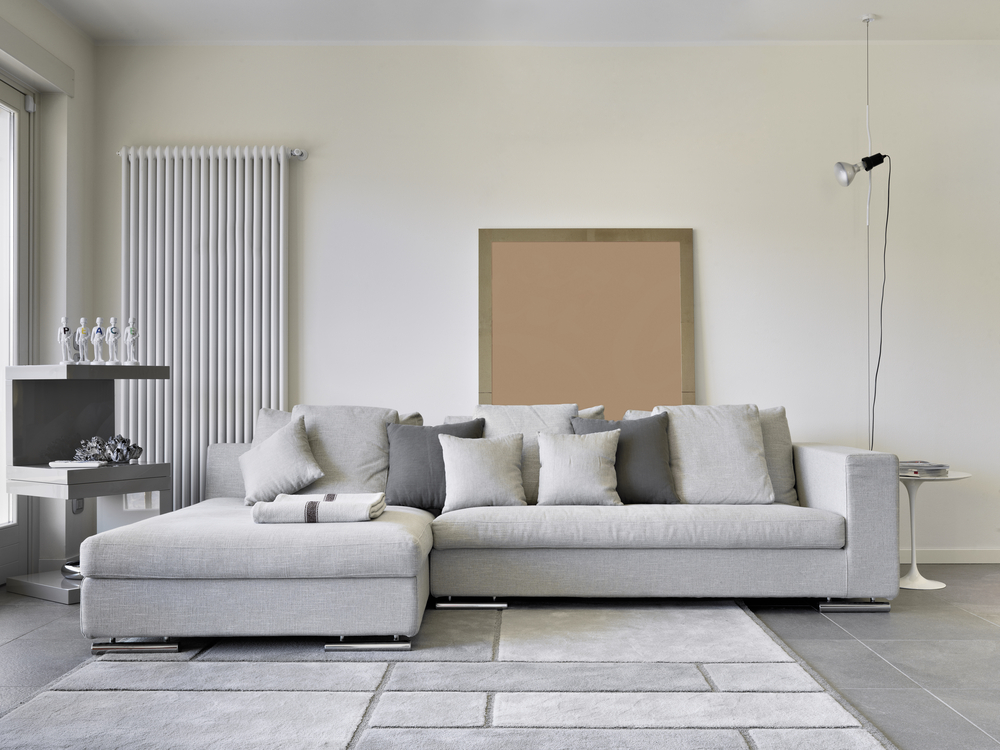
 Sofas get dusty and food crumbs find their way into the deep corners and drinks inadvertently spill onto the upholstery. Fortunately, sofa cleaning is not a tough task if you have a bit of time and the right cleaning supplies. If you don’t want to call your local cleaning agency to clean up for you or you are simply looking at doing a quick clean before the next professional cleaning, our guide will take you through some simple and easy sofa cleaning steps.
- It is important to know the sofa fabric
It is important to know the fabric type before you start cleaning. Look for the tag that tells you what material the sofa cover is made of. Most often these tags will provide instructions on which cleaning products can be used and which cannot be used.
- Begin sofa cleaning by vacuuming
It is best to start by getting rid of any surface debris, dust and dirt from the sofa. For this you can use a dust-buster or a hose add-on of a vacuum cleaner to eliminate any dust particles. Use the long attachment of the vacuum cleaner to reach the crevices and don’t forget to vacuum the cushions. It is recommended that you start by vacuuming the cushions and then place them aside so that you can work on the sofa. In case you don’t have a vacuum cleaner and want to purchase it; you can visit websites such as omnihomeideas.com/appliances/best-quiet-shop-vac/ to get the relevant information about various vacuum cleaners.
- Get rid of heavy dust
If there are spots on the sofa where dirt has been caked in, use a brush to break it loose and release the dirt. Ensure that you rub gently so that the fabric is not damaged.
- Remove pet hair from sofa
Your vacuum cleaner will not be able to get rid of pet hair. To get rid of any fur, use a lint roller once you finish vacuuming the sofa. Work in a systematic pattern so that you don’t miss out on any hair.
- Wipe clean
Use wipes to clean any hard surface, hand rests and any other exposed surfaces. Alternatively, you can use a cleaning product that is appropriate for wooden or other surfaces that you are cleaning. Keep an all-purpose surface cleaner handy so that you don’t have to scurry around looking for specific wipes. Use a leather cleaner for leather upholstered sofas.
- Condition
Leather needs slightly different treatment to fabric. Water will dry it out, causing fading and cracks to appear, which is why only leather cleaner should be used. However, even leather cleaner will cause fading over time, so it’s important to use leather conditioner from somewhere like URAD.com to lock moisture back into it. Conditioner prevents cracking and leaves the leather silky smooth and soft. It will also give it a beautiful sheen, and should remove any of that “old leather” smell that can start to occur over time.
- For tough stains
Fabric Pre-conditioner can be used to dissolve dirt and oil from the upholstery. Make sure that you spot test the preconditioner for discolouration on a spot that is not easily viewable.
- Gentle wash
If you have removable sofa covers then it is best to toss them into the washing machine for a quick wash, especially if they are extremely soiled. Avoid washing them too often though or you will risk damaging the fabric.
It is recommended that every six months you get professional cleaners to clean your sofa. This will help maintain the original feel and look of the fabric. The domestic cleaning agency will use professional tools that don’t discolour or harm the fabric. Follow this up with regular cleaning before your next appoint with the cleaning company.
