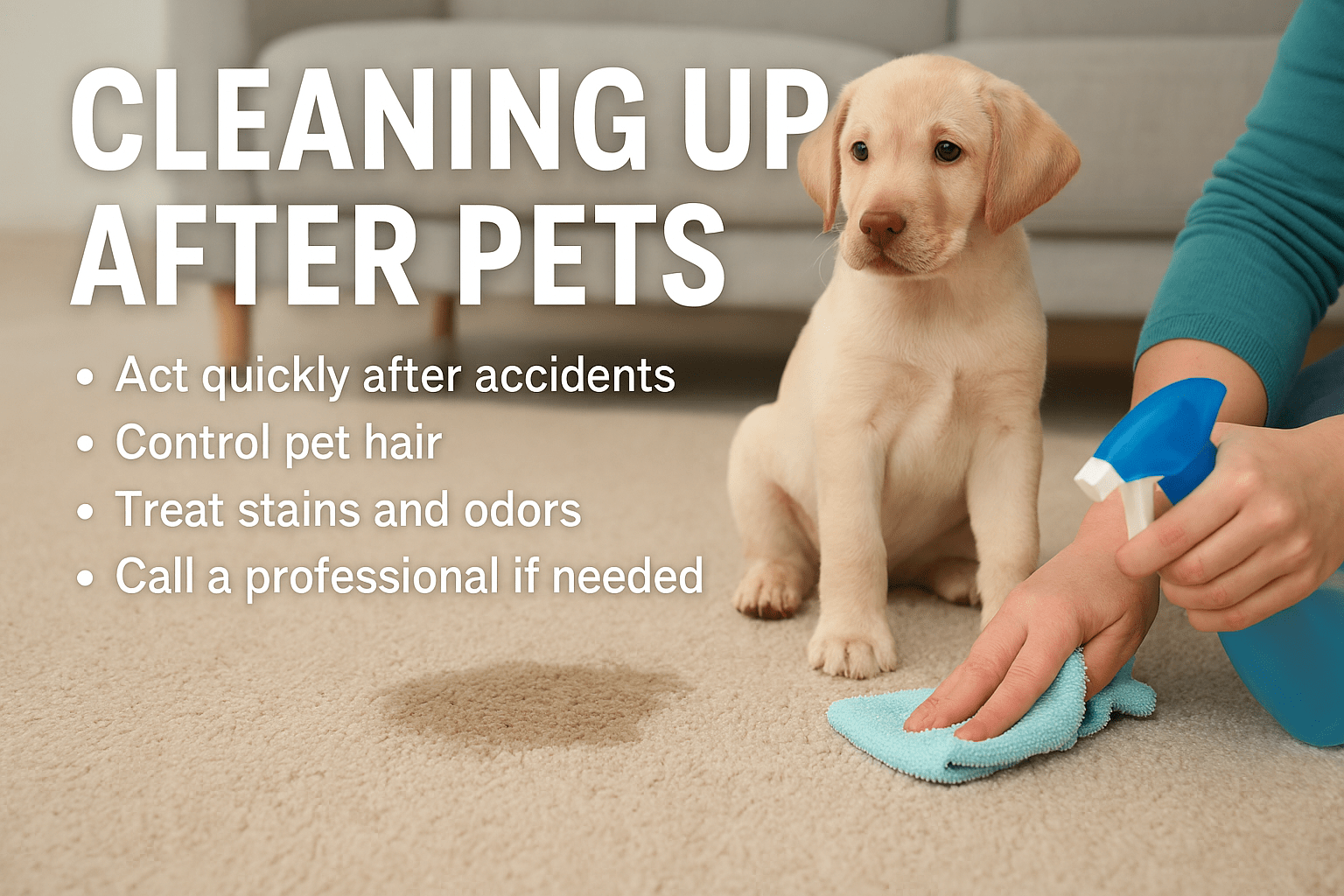
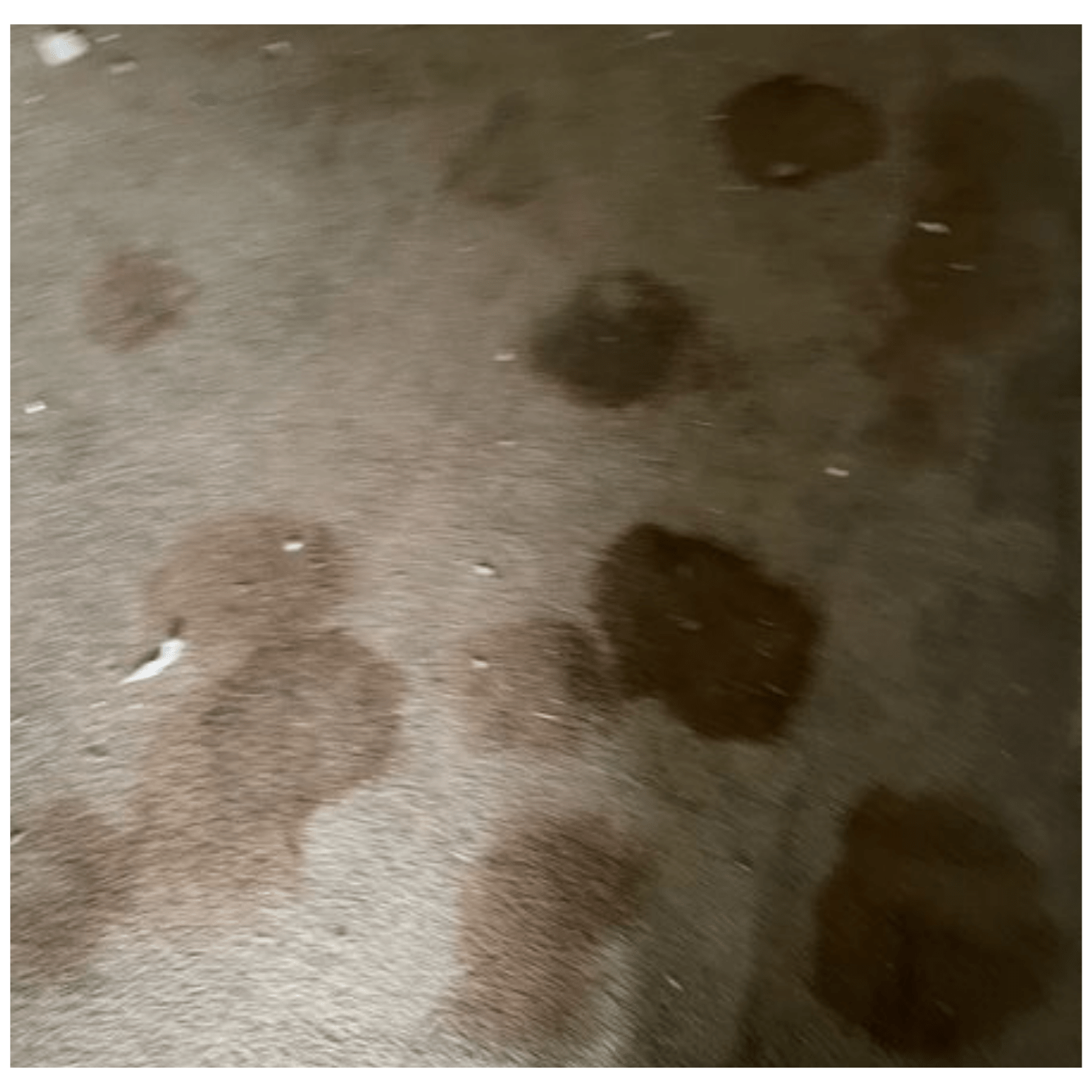
Carpets add comfort and warmth to a home, but when a carpet starts to smell, it can quickly affect the entire room. A lingering carpet smell is usually a sign that moisture, spills, or organic material were never fully removed from the carpet or padding.
A lingering carpet smell is usually a sign that moisture, spills, or organic material were never fully removed. Below are the most common reasons carpets develop odors — and what actually works to fix the problem. In many homes, a persistent carpet smell points to residue trapped below the surface that routine cleaning can’t reach.
What Causes Carpet Smell Problems?
Carpet odors don’t usually come from the surface alone. In most cases, the smell is coming from deeper layers of the carpet or the padding underneath.
Moisture Trapped in the Carpet
One of the most common causes of carpet odor is trapped moisture. When carpets are over‑wet or not extracted thoroughly, moisture can remain in the backing or padding.
Because these layers receive little airflow, they take much longer to dry. As a result, musty smells can develop and worsen over time.
Old or Deteriorating Carpet Padding
As carpets age, the padding underneath can begin to break down. When padding deteriorates, it can hold odors even after the surface fibers are cleaned.
If a carpet smells shortly after cleaning and the odor keeps returning, worn padding may be part of the problem.
Incomplete or Low‑Quality Carpet Cleaning
Carpet cleaning methods that leave excess moisture or residue behind can contribute to lingering odors. This often happens when carpets are not thoroughly rinsed or extracted after cleaning.
Residue left in the carpet fibers can also attract new soil, allowing odors to return faster.
Stains That Were Never Fully Removed
Spills that are not treated promptly can soak into carpet fibers and padding. Over time, these residues break down and create strong odors, especially from food, milk, or organic materials.
Even small spills can become a source of odor if they reach the padding beneath the carpet.
Pet and Smoke Odors
Pet accidents and smoke odors are especially difficult to remove once they penetrate carpet fibers. Pet urine, in particular, can bond to the carpet padding, making surface cleaning ineffective.
Smoke odors can also cling to carpet fibers and padding, causing the smell to linger long after the source is gone.
How Professional Carpet Cleaning Removes Odors
Professional steam carpet cleaning uses hot water extraction to flush odor‑causing residue from deep within the carpet. This process removes the source of the smell rather than masking it.
Steam carpet cleaning is also known as hot water extraction, a method recommended in many carpet manufacturer care guidelines because it removes embedded soil and residue instead of leaving it behind.
Temporary Ways to Reduce Carpet Odors
Ventilation, baking soda, and dehumidifiers may temporarily reduce mild odors. These methods can help with surface smells, but they do not remove residue trapped beneath the carpet fibers or padding.
For persistent or recurring odors, professional cleaning is usually the most effective solution.
What to Avoid When Dealing With Carpet Odors
Avoid placing furniture on damp carpets, walking on wet areas, or attempting to extract moisture with household vacuums. These actions can push moisture deeper into the carpet and make odors worse.
If odors continue after basic steps are taken, professional carpet cleaning may be needed to fully remove the source of the smell.
The Best Way to Keep Carpets Smelling Fresh
Regular professional cleaning, prompt spill cleanup, and proper drying are the best ways to prevent carpet odors. Scheduling service based on household traffic and conditions can also help.
For guidance on maintenance timing, see how often to clean carpets and how routine care can prevent odor buildup over time.