Tag: natural cleaning

  • Six Recipes for Homemade (And Natural) Cleaning Products

    Few things are more important than maintaining a clean home. Living in a clean, orderly environment does wonders for one’s mental state, but it also saves money down the road-a home left alone for too long might result in having to hire professionals to perform drastic measures such as power cleaning stubbornly stained windows or other cleaning services that cost a pretty penny.

    While most agree that it’s necessary to clean their home regularly, many people, when sprucing up their home, prefer to use store-bought cleaning products. For cleaning the house in a better way, Refillable Cleaning Products can be considered as an alternative to those store-bought products. Refillable bottles could prevent you from losing out money due to the frequent purchase of new bottles. Instead, it could be much more cost-effective to buy refills. However, there might be (store-bought cleaning) products that are made with harmful chemicals and are usually sold at higher prices. Apart from costing money, these products can irritate not only the skin, but the eyes and throat as well. They can even cause headaches and other health problems.

    They’re also wholly unnecessary. Using simple ingredients, you can make your own effective cleaner and disinfectant without going out to the store and without these potentially hazardous chemicals. According to Nathan Kiening, pests like roaches are most likely to be found in kitchens because they have easy access to scraps and crumbs that they can eat. If this seems to be the case, by using the contents you have lying around at home, you could create a pest control spray on your own. However, you should keep in mind that it might not always be effective, and you might need to hire a pest control company to help you get rid of them. That said, here are six simple homemade recipes for safe, environmentally friendly cleaning agents.

    A Simple Homemade Glass Cleaner (h2)

    This easy DIY glass cleaner utilizes ingredients you can easily find around the home. And it promises a streak-free shine!

    Take the following ingredients and mix them in a spray bottle:

    1 Tbsp. cornstarch

    1/4 cup white vinegar

    1/4 cup rubbing alcohol

    2 cups water

    8 drops of an essential oil of your choice for fragrance. (This could include lemon, lavender, orange, or any scent you’d like.)

    You should have most of these ingredients handy, though you might need to pick up essential oils, which you can find easily online. They’re also available at many supermarkets and health stores such as Target and GNC.

    The best news about this recipe? It costs only roughly 33 cents to make a batch. Your windows, and wallet, will thank you.

    A 2-Ingredient Kitchen Cleaner and Deodorizer (h2)

    An even more simple, and equally inexpensive, homemade cleaner needs only two simple ingredients. For a simple way to clean kitchen countertops, appliances, and the inside of your refrigerator, simply combine the following items:

    4 tablespoons baking soda

    1 quart warm water

    You can use these ingredients in a variety of ways. A simple solution of baking soda and water can be used to deodorize surfaces and clean counters, but you can also remove spots from stainless steel by applying a paste of baking soda and water on the steel and gently scrubbing the affected area with a damp rag.

    An Easy and Safe Brass Cleaner (h2)

    If you have any brass items in your home, you know that they can tend to tarnish easily. But there’s no need to go to the store and pick up a chemical brass cleaner. You can polish your brass with just three simple ingredients:

    1 teaspoon salt

    cup vinegar

    Flour (until mixture becomes a paste)

    Once your vinegar, salt and flour has acquired a paste-like consistency, rub the cleaner into your brass and leave it for ten minutes. Once you rinse it off with warm water, you should find a tarnish-free finish!

    A Safe and Affordable Marble and Granite Cleaner (h2)

    When cleaning stone surfaces, it’s best to avoid chemical-laden cleaners. But even natural acidic liquids such as vinegar or lemon juice can cause permanent damage to these surfaces.

    Thankfully, you don’t need much to create a mixture that’ll perfectly buff and clean marble and granite countertops. Simply combine:

    2 cups warm water

    2 drops liquid dishwashing soap

    That’s it! A little bit of dishwashing soap in warm water will clean your countertops without damaging them. The key here is to not let the wet surface air-dry, once the solution has been applied, buff it off with a dry towel or soft cloth. If you have just had new custom countertops put in, you may want to speak with the company who provided them first to see how best to clean your own. If they agree with this type of cleaning, then carry on with what you were going to do.

    An All-Purpose Cleaner for Everyday Use

    This recipe is similar to the glass cleaner, but cuts out the rubbing alcohol and cornstarch added to avoid a streaky finish. What you’re left with is a simple, effective all-purpose cleaner that you can use on most surfaces. Take the three following ingredients and add them to a spray bottle:

    2 cups warm water

    cup distilled white vinegar

    20 drops essential oil (of your choice)

    Assuming you’ve already procured essential oil for your window cleaning recipe, you can find more use for the bottle to help give your all-purpose cleaner a nice, fresh scent. While we would not recommend using this cleaner on glass or stone countertops, it’s a perfect cleaner for wood, plastic, and everyday items around the home.

    Which finally brings us to our last cleaner recipe.

    A Natural and Effective Cleaner That’s Guaranteed to Break Up Grease

    Arguably the most difficult part of cleaning is dealing with built up grease and gunk, especially in the kitchen around your stove and oven. Most cleaners that can effectively break up these greasy areas are filled with toxic chemicals and fumes that can impact your health with too much exposure.

    This recipe, while requiring some ingredients you might have to go out of your way to purchase, helps knock out these grease stains without any nasty chemicals. It requires orange essential oil (though lemon works in a pinch) and castile soap, which you can find at most supermarkets and national chain pharmacies throughout the nation, or you can order it online.

    Either way, castile soap is a vegetable-based soap that is environmentally friendly and will help give your degreaser some disinfectant qualities. Once you’ve acquired those two ingredients, you’re good to make your cleaner:

    2 tablespoons castile soap (make sure you get a liquid soap version, as castile soap comes in both hard and liquid varieties)

    1 and cups water (if you have distilled water, like those sold at Golyath, it will give your cleaner a longer lifespan)

    20 drops orange essential oil

    And that’s it! Put those three ingredients into a spray bottle, and you’ll be able to knock out grease stains in a heartbeat. And you’ll do so without filling your home with toxic fumes. In fact, this cleaner will smell downright refreshing.

    With these six natural, safe, and homemade cleaning products at hand, you’ll find yourself saving money and saving yourself from exposure to harsh chemicals. It’s a win-win!
  • Oven Cleaning Guidelines Using Baking Soda

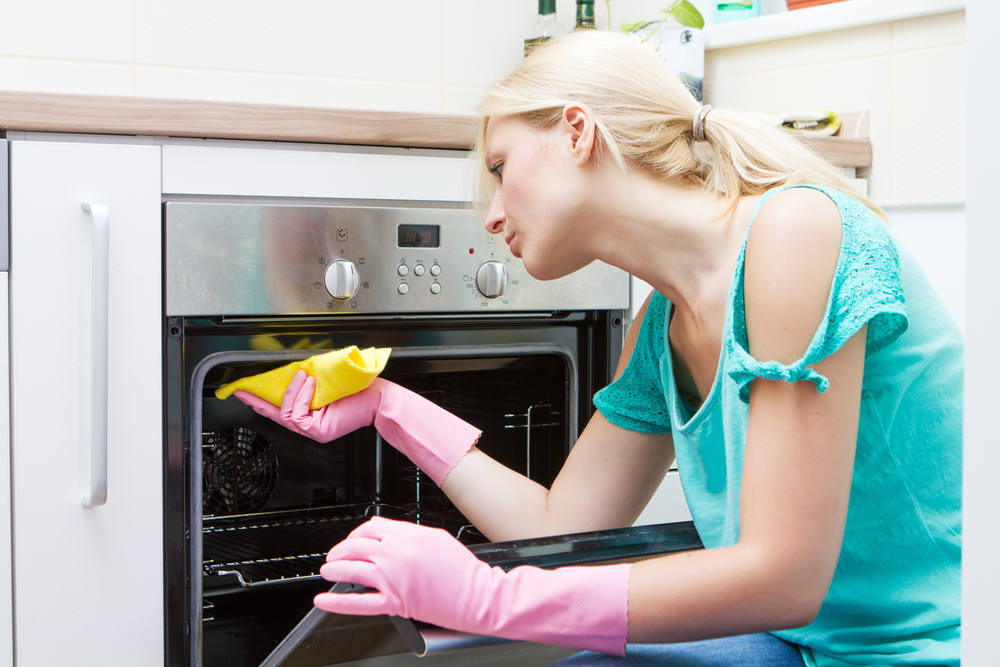
    Cleaning the inside of a kitchen oven

    Natural ways of oven cleaning (2)Today, people focus on going green and they try to make use of the products that are made by using home based products. Using as less chemicals as possible is one of the major points of green cleaning. It’s a good idea to use eco-friendly and nontoxic cleaning supplies if you want to have an easier time cleaning without any danger involved. The toxic fumes of most hardcore commercial cleaners require good ventilation, so you will need to do your best to avoid if you want to have an easier time overall. Commercial cleaners have been trained in cleaning with dangerous chemicals and dealing with toxins. Some people enjoy the cleaning process so much that they to decide to take on a course in cleaning operations, which are widely available to do. A job in commercial cleaning is well-sought out and must be done to a high standard to ensure proper safety. However, if you would like some tips on how to get the same results commercial cleaners achieve then carry on reading!

    Baking soda is quite effective for removing food spills and other stains from the oven. It can even deal with more stubborn stains as well. Baking soda can be considered the preferred cleaning product for oven cleaning due to its lack of toxicity and gritty, grease-cutting power which works pretty well on oven stains.

    Baking soda can replace a number of commercial cleaning products when people want to go green and hesitate to use the products that contain harsh chemicals to wipe off food spills and other stains. Some strong chemical cleaners, such as bleach can leave traces upon surfaces, which makes them dangerous when used around kitchens in concentrated form. As a result, these chemicals also get into our food and our bodies. On the other hand, baking soda has no smell and it happens to be safe in the quantities used. For this reason, we suggest avoiding the use of harsh chemical products altogether for oven cleaning, replacing them with baking soda that is easily and readily available. Apart from being environmentally friendly another great benefit of using baking soda is that it is very cheap and found pretty much everywhere. It is far cheaper than many commercial cleaning products. There are many ways you can use it for cleaning purposes that go beyond oven cleaning, especially when combined with an acidic substance such as vinegar or lemon juice.

    Normally baking soda is used along with a bit of water to get the job done but to make it more effective you can also make use of vinegar or liquid dish soap along with it. This will form a paste you can use in the oven with a sponge for optimum results. Leave it for few minutes so it can work its magic and rub the stubborn stains into oblivion. After that, make use of a clean, damp sponge to clean the oven. Baking soda is not a suitable disinfectant, however, as it simply doesn’t possess such a quality. You should work on disinfection through other means, such as borax for these purposes. It might also be ineffective for cleaning commercial kitchens or grease inside exhaust hoods. For such situations, it would be advisable to get in touch with Auburn Hood Cleaning Professionals or other similar service providers in your vicinity. However, when it comes to removing tough stains, distilled white vinegar has antibacterial properties that may easily complement those of baking soda. You may even use the mix to unclog your kitchen drain if the situation warrants its use and you have the patience for it. In these situations, however, it can be wise to consider the problems with DIY drain cleaning that can arise when done alone and unsupervised. Much like how the best results for oven cleaning come from hiring a professional in that area, so too is hiring one for unblocking drains like Apollo Plumbing and Drain Cleaning services, so you are not knee-deep in a blockage you can’t shift.

    For more ideas: Carpet Cleaning London

  • Clean Oven Grease Naturally

    Use Natural Solutions to Get off Oven Grease

    Have you ever gone to use your oven, and were totally grossed out by all the caked on oven grease? Is your oven a self-cleaning oven, and yet it still doesn’t ever seem to really get clean? Did you know many repairman have been called out due to the self cleaning function on ovens, because the high temperatures it takes to clean off oven grease are especially hard on the oven itself.

    Well, I have a tip to help you fight oven grease cheaply and naturally! However, before you begin going through them, keep in mind that it is important for you to keep your oven clean. If you allow grease buildup, then there is a good possibility that your device might soon start acting up, leading you to opt for Appliance Repair Services. Even worse, grease buildup can lead you to get the device replaced. That is why, it is prudent for you to clean the appliance at regular intervals. As said earlier, I have the below-mentioned tips ready for you to make your job easy.

    oven grease

    Instead of using harsh cleaners and chemicals, why not use the ever-so-handy baking soda! Conventional oven cleaners will dissolve the toughest oven messes, but they are packed full of corrosive chemicals like lye that are dangerous, especially if you have young children. Baking soda is a natural, chemical-free alternative that will make your cleaning job safer.

    Just sprinkle it in the oven then scrub down with a soapy, mildly abrasive sponge! For harder spots inside the oven, use a fine grade steel wool instead of a sponge since the inside surfaces might need more abrasion to take off the grime. No need for the toxic cleaners, and your oven grease won’t stand a chance!

    There are other natural cleaners for your oven as well. Baking lemons in water for 30 minutes gets rid of bad smells. Non-toxic dish soap (find them on trvst.world) is also good for grease, and is derived from plant sources that dissolve fat. For a more powerful cleaner, try mixing vinegar with baking soda (Dilute the vinegar first or it may “erupt” on you like a 2nd grade volcano experiment!) and apply with a sponge, then leave it to sit for a while. This will definitely make cleaning those caked-on stains much easier and less of a chore. Cleaning your oven regularly can help to avoid any malfunctions happening and causing you to have to buy a brand new oven constantly. Having a home warranty plan can get your oven replaced or fixed if it were to breakdown. However, it is always best to try and avoid this from happening with proper cleaning and maintenance.

    For more natural cleaning tips, check out some of our other posts, like Cleaning Your Dishwasher or 30 Uses for Hydrogen Peroxide.

  • 30 Uses For Hydrogen Peroxide

    Get the Most Out of Your Hydrogen Peroxide With These 30 Tips

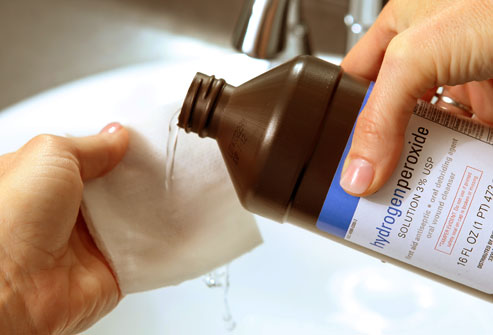
    hydrogen peroxideToday I will be giving you some tips on cleaning with the miracle compound H2O2, also known as hydrogen peroxide. This product is used in tons of cleaners today; you can always spot the brands that contain H2O2 because they have “Oxy” in the name. Hydrogen peroxide is a great cleaner that you’re able to use in any room of the house. It’s safe for kids and pets, cheap, readily available, and best of all, it actually works! However, getting it in your eyes can cause damage so keeping it away from the face is advised; when using the substance in laboratories, being positioned close to a storemasta eyewash station safety shower would be a good health and safety measure to avoid permanent damage. Here are some interesting facts about hydrogen peroxide:

    • Because hydrogen peroxide is basically the same chemical makeup as water (with an extra oxygen atom), it breaks down quickly and harmlessly in oxygen and water.
    • You can find it in all living matter
    • Your body’s white blood cells naturally produce H2O2 to fight bacteria/infections.
    • Vegetables and Fruit naturally produce H2O2. This is why it is so healthy to eat fresh produce, among other things.
    • It is found in large doses in a mother’s first milk, and when fed to the baby it boosts their immune system.

    The different uses for hydrogen peroxide are endless. Here are a couple of ideas you can utilize the next time you grab a bottle of this miracle cleaner.

    In the Kitchen
    1. Clean sponges of bacteria. Sponges get gross after a couple weeks of use, so use hydrogen peroxide to revitalize your sponges. Soak them in a mixture of half H2O2 and half warm water for ten minutes, then rinse thoroughly.

    2. Wash your fruit and vegetables naturally. Add ¼ cup to a sink full of cold water, then rinse thoroughly afterwards.

    3. Add a couple of ounces of H2O2 to the detergent before turning on your dishwasher for a sanitizing boost. You can also make your dish soap more sanitizing by adding 2 oz of 3 percent hydrogen peroxide to the bottle.

    4. Clean your kitchen appliances with hydrogen peroxide. It’s great for cleaning places that you store and cook food because hydrogen peroxide is non-toxic.

    5. Remove gunk from pots/pans by combining hydrogen peroxide with baking soda until you get a paste. Rub this onto the dirty dish and let it sit for a while. After enough time has passed (it really depends on how baked-on the gunk was), grab a sponge and some warm water and the gunk should wipe right off.

    6. Clean your countertop and cutting boards. Let the hydrogen peroxide bubble for a few minutes, then scrub and rinse like normal.

    7. Wipe your kids’ lunch boxes/bags with hydrogen peroxide to sanitize.

    8. Just like using lemon juice on apples, you can use hydrogen peroxide on your leftover salads to keep them from wilting. Use a mixture of one tbsp of H2O2 to half a cup of water and spritz your salad to keep it looking and tasting fresh.

    In the Bathroom
    9. Freshen your breath by using hydrogen peroxide as a mouthwash. It will kill the bacteria that causes halitosis.

    10. Between uses, soak your toothbrush in hydrogen peroxide to keep it clean. This will also prevent the transfer of germs. This is an extremely tip to use if your family has a cold or the flu.

    11. Clean your toilet bowl. Pour ½ cup of hydrogen peroxide into the toilet, let stand for twenty minutes, then scrub and flush.

    12. Whiten the grout in your bathtub/shower. First dry the surface well, then spray it with hydrogen peroxide. Let it sit for a while, then scrub the grout with an old toothbrush. This process may have to be repeated a few times.

    13. Remove mildew and soap scum from shower curtains with hydrogen peroxide. For plastic curtains, wipe down with H2O2 and then rinse. For cloth curtains, put them in the wash with a bath towel, then add your regular detergent plus one cup of hydrogen peroxide to the rinse cycle.

    14. You can kill any bacteria/viruses in your shower or tub with hydrogen peroxide. This is what the bubbling is doing!

    15. Use baking soda and H2O2 to make a paste that’s good for brushing your teeth. Mix baking soda and hydrogen peroxide until you get a paste, then brush. This helps kill bacteria, so it’s good for the first stages of gingivitis. If you mix this solution with salt, hydrogen peroxide will work as a whitening toothpaste as well. Even though this might be another way for people to get their teeth clean, not everyone is going to feel confident in giving this a go. With that being said, it may be easier to check out sites like HTTPS://WWW.DURHAMDENTAL.NET/OUR-SERVICES/, in the hopes of booking an appointment at Durham Dental (or a local clinic). Leaving something like this to the professionals may be for the best, especially if there is uncertainty.

    16. According to some physical therapists, adding ½ a bottle of H2O2 to your bath water can help to detoxify the body. Some are still skeptical about this claim, but bathing has never hurt and the addition of hydrogen peroxide will leave both you and your tub squeaky clean.

    On Cloth Materials
    17. Hydrogen peroxide can remove yellowing from lace curtains or tablecloths. Fill your sink with cold water and 2 cups of three percent H2O2. Soak for at least an hour, then rinse in cold water and air dry.

    18. You can use hydrogen peroxide to pre-treat stains on clothing, curtains, tablecloths, etc. Soak the stain in 3% H2O2 for a little bit before tossing it in the laundry. You could also add one cup of hydrogen peroxide to your whites to boost brightness. It works just as well as the green bleach alternative.

    19. Get rid of the musty smell in your bath towels. Combine ½ cup of vinegar and ½ cup of hydrogen peroxide and soak the towels for 15 minutes. Then wash normally.

    Miscellaneous

    20. Control the fungi in your aquarium. Don’t worry, this won’t hurt the fish any. Use sparingly in this case.

    21. Dab some H2O2 onto acne or pimples to clear your skin. However, since the skin on your face is sensitive, it would be wise to use something natural, such as CBD oil or creams (available from online dispensaries like Blessed CBD), which may be less harsh on the skin and might offer better results.

    22. Clean humidifiers and steamers by adding one pint of hydrogen peroxide to a gallon of water, then running them.

    23. Add natural highlights to your hair using hydrogen peroxide. Spray a solution of half water and half H2O2 on wet hair to create subtle, natural highlights.

    24. Ward off the fungus that grows on your plants. Next time you spritz your plants, add a little hydrogen peroxide to the water to help out your plants.

    25. Hydrogen peroxide helps improve the health of new sprout seeds. Use 3 percent H2O2 once a day to spritz the seed whenever you remoisten. You can also use hydrogen peroxide diluted in water to improve your plant’s root system.

    26. Clean your children’s toys and play area. Hydrogen peroxide is safe to use around kids and people with respiratory problems because it isn’t a lung irritant. Spray toys, doorknobs, toyboxes, baby gates, anything your kid comes into contact with on a regular basis.

    27. Help make foot fungus go away. Spray a mixture of half H2O2 and half water on your feet (especially the toes), every evening and let it dry. Alternatively, you could soak your feet in this solution to help soften calluses or disinfect wounds.

    28. Remove ear wax with 3 percent hydrogen peroxide and olive or almond oil. Add a few drops of oil, then H2O2. After a few minutes, tilt your head to the side to remove the wax and the solution.

    29. Brighten your floors. Combine a gallon of water with ½ cup of hydrogen peroxide then scrub your floors. Because H2O2 is so mild, it is safe for all floor types, and you won’t have to rinse.

    30. De-skunkify yourself with 1 qt of three percent H2O2, 1 tsp Dawn Dish Soap, ¼ cup of baking soda, and 2 quarts of warm water. Wash with this to make the skunk smell go away.

    *BONUS* Follow this link to find out how to Use Hydrogen Peroxide to Treat Urine!

    If you liked this post, check out some of our other helpful cleaning posts like Carpet Stain Removal Tips or our Spring Cleaning Guide.