
Tag: household hygiene

  • 5 Steps to getting your fridge clean

    5 Steps to getting your fridge clean

    Having a clean fridge is important for a number of reasons, and you will find that getting it clean is actually a rather easy part of our domestic cleaning. Whilst it is more commonly thought of as a part of your deep cleaning process, you should certainly attend to the fridge at least once a month, as otherwise it can get out of hand. If you feel like this is too often, then it may be worth having a contract cleaner, or a professional cleaning service round once a month, perhaps to do that and any oven cleaning, or even upholstery cleaning that you need to get sorted. Have a look over the following fridge cleaning tips and tricks to see if there is anything that you could be doing to improve on your technique when it comes to the house cleaning.

    1. First off, you need to empty the fridge. For this reason, it makes sense to do your kitchen cleaning at a point when you have less in the fridge to need to remove. The process of cleaning the kitchen will only take ten to twenty minutes, but the part where you take out and replace the food from inside will be a little longer. You should look during this process for any jars or food packets that are not needed any more, as left overs can be left untouched in there for ages, and get smelly and disgusting. You will find that there are probably more stains and things to get cleaned up when you have emptied the fridge than you may have thought there would be.

    2. Take out the shelves. These are usually removable, and will be made of glass, wire or plastic. Whatever the case, you should be able to fit them in a sink full of water and a bit of washing up liquid. Leave them to soak for a while as you attend to the other steps in the fridge cleaning process, and then when you get a chance, wash them up as if they were plates. Having soaked them, the dried on mess should have softened, and you won’t usually need much more than a rough sponge to get rid of the worst of the dirt.

    3. Take your sponge with some surface cleaning spray on it, or some washing up liquid, and run it around the inside of the fridge. You will find that it takes a minute or two to cover the whole of the inside, but once you have gotten a bit of a lather up, you can leave it to soak into the dried dirt. Once you have left it for a minute or two, you can get to scrubbing away the dirt with the rough side of a sponge. If the dirt is particularly dried on, don’t resort to wire wool, as get insides of most fridges are made from plastic, and this will scratch very easily if attacked with metal cleaning implements.

    4. You can clean the outside of the fridge if you feel like it is necessary. Do make sure that you pull it out from under the counter if you have a half sized one, to give it a proper clean, as it can get really dusty down there!

    5. At this point, all there is to do is replace the shelves and the food that you took out! Be sure that you clean off the containers, so that you are not putting dirty things back in to your newly cleaned fridge, and be sure to keep good care of it!

  • 5 Steps to getting your fridge clean

    5 Steps to getting your fridge clean

    5 Steps to getting your fridge clean

    Have you recently purchased a new refrigerator? Maybe you decided to go out and rent one from a rent appliances service for a few months until you are able to get your own. If so, you’ll know the importance of having a clean fridge. This is important for a number of reasons, and you will find that getting it clean is actually a rather easy part of our domestic cleaning. Whilst it is more commonly thought of as a part of your deep cleaning process, you should certainly attend to the fridge at least once a month, as otherwise, it can get out of hand. If you feel like this is too often, then it may be worth having a contract cleaner, or a professional cleaning service around once a month, perhaps to do that and any oven cleaning, or even upholstery cleaning that you need to get sorted. Have a look over the following fridge cleaning tips and tricks to see if there is anything that you could be doing to improve on your technique when it comes to the house cleaning.

    1. First off, you need to empty the fridge. For this reason, it makes sense to do your kitchen cleaning at a point when you have less in the fridge to need to remove. The process of cleaning the kitchen will only take ten to twenty minutes, but the part where you take out and replace the food from inside will be a little longer. You should look during this process for any jars or food packets that are not needed any more, as left overs can be left untouched in there for ages, and get smelly and disgusting. You will find that there are probably more stains and things to get cleaned up when you have emptied the fridge than you may have thought there would be.

    2. Take out the shelves. These are usually removable, and will be made of glass, wire or plastic. Whatever the case, you should be able to fit them in a sink full of water and a bit of washing up liquid. Leave them to soak for a while as you attend to the other steps in the fridge cleaning process, and then when you get a chance, wash them up as if they were plates. Having soaked them, the dried on mess should have softened, and you won’t usually need much more than a rough sponge to get rid of the worst of the dirt.

    3. Take your sponge with some surface cleaning spray on it, or some washing up liquid, and run it around the inside of the fridge. You will find that it takes a minute or two to cover the whole of the inside, but once you have gotten a bit of a lather up, you can leave it to soak into the dried dirt. Once you have left it for a minute or two, you can get to scrubbing away the dirt with the rough side of a sponge. If the dirt is particularly dried on, don’t resort to wire wool, as get insides of most fridges are made from plastic, and this will scratch very easily if attacked with metal cleaning implements.

    4. You can clean the outside of the fridge if you feel like it is necessary. Do make sure that you pull it out from under the counter if you have a half-sized one, to give it a proper clean, as it can get really dusty down there! While cleaning, you may also want to check if everything is working properly as none of us want a clean, malfunctioned fridge in our house. If at all you find any issues and cannot fix them yourself, there are websites like amanafridgerepair.com and similar other sites that could come to your aid.

    5. At this point, all there is to do is replace the shelves and the food that you took out! Be sure that you clean off the containers, so that you are not putting dirty things back into your newly cleaned fridge, and be sure to keep good care of it!

    With a simple, step-by-step process, you may find that your cleaned fridge feels new again. You could consider this a habit to develop to ensure that your food is stored in a hygienic place. This is simply because not cleaning out your fridge from time to time can have some unexpected and rather undesirable results– clogging of cooling vents, bad odor developed due to stale and rotting food, and more. While these may not bother you too much initially, this could cause your fridge to stop cooling like it used to. With the lack of proper cooling, the conditions on the inside of your fridge would be more suitable for pests like cockroaches to roam about freely. Considering the worst-case scenario, you would be compelled to call in sammamish pest control professionals (or wherever you’re based) to rid a possible infestation.

    You may be able to prevent infestations and overall degradation of your fridge by simply cleaning it regularly. Not only can you look at it as a hygienic habit, but you could also look at it as a way to ensure you eat food clean and free of any pests. That way, you could also be sure that your peers/children inculcate this habit of eating and keeping clean as well.

  • How To Get Rid Of Shower Mold

    How To Get Rid Of Shower Mold

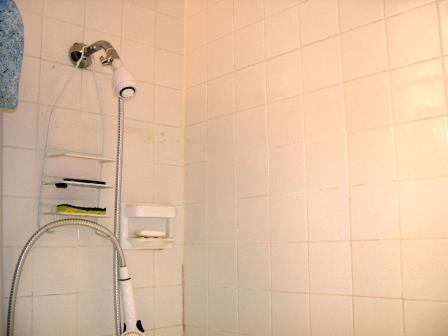
    A bathroom is a prime place for mold to grow. The humidity and warmth give a perfect home for the spores to grow and become a real issue. It can have a damaging effect on the structure of the building, but more importantly, it can have a lasting effect on your health. Because of the high risk of mold, you should take steps to help avoid it. One of the foremost ways in which you can reduce mold risk is to check if your home has any kind of water damage. Say, for instance, if you have a leaky roof, you would need to get in touch with the best companies for Roof replacement Canberra (or somewhere in your vicinity). You have to check the root of the problem and fix it, before you can go to the surface!

    The next step could be by applying anti mould paint to the walls, cleaning the tiles, keeping the bathroom well ventilated and washing your shower curtains, you will be able to stop mold from ever being an issue. Additionally, you could also remove mold with a dehumidifier. A dehumidifier can help clear the air and remove any lingering moisture. It catches the water and then you can simply remove the bottom tray, empty the water, and then use it again. If you use the dehumidifier before spores appear, it should reduce any mold growth in the future. However, if it is already a problem and you have discovered a large area of mould it might be better to seek help at AWAMoldInstpecitons.com, but if it’s just a small spot of stubborn mold in the corner between your shower door and the stall, then the mold How To Get Rid Of Shower Moldmay have become encased in the silicone caulking. If no cleaning agent has worked for you so far, then try removing the silicone with a single blade razor and a pair of tweezers. After, clean the area with some diluted bleach and dry it thoroughly. The process takes about 15-20 minutes and leaves your shower mold-free. Shower mold dangers include several respiratory disorders, stomach infections, and allergies.

    Suggested reading: Ways to remove bathroom mold

  • How To Clean Your Dishwasher and More!

    Read These Steps to Clean Your Dishwasher and Prolong It’s Life!

    clean your dishwasher
    Dishwashers are extremely convenient kitchen tools to have around. It takes the chore out of washing your dirty dishes, leaving you more time to do other activities. Still, did you know that your dishwasher gets dirtier even as it’s cleaning your dishes? It seems strange, with it running hot water and soap frequently, but that actually doesn’t clean your dishwasher. Read these steps to take care of bacteria and get your dirty dishwasher clean again.

    First, take out the bottom rack so you an examine the drain area for chunks of food that can plug the drain. It’s very important that you keep the drains clear, as clogging can cause damage to the pump and anything hard can also scratch your dishes. You would be surprised at the list of things dishwasher repairmen find in the drains-bones, chipped pieces of glass, crab shells, and even bits of gravel! This is just some of what those who provide a blocked drain service in Coogee have found down the drains. If you start smelling an unpleasant odor from your dishwasher or sink area and it is slow to drain, this could be due to a drain blockage further down the system causing wastewater or sewage to be backed up into your home. This is something you’ll want to get seen to by professionals as soon as you notice the problem. Those in the UK could enlist the help of this drain unblocking company in Essex.

    Second, fill a cup with white vinegar and set it on the top rack of your dishwasher. Set it to the highest temperature available then run the dishwasher through a cycle. For this process, the only thing that should be in the dishwasher is one cup. With the cycle running, the vinegar will help clean your dishwasher by removing any loose grime, sanitizing your dishwasher, and helping to remove any musty odors.

    Third, after sanitizing with vinegar, fill a cup with baking soda then sprinkle that around the bottom of the dishwasher. Run it through a short but complete cycle on the highest temperature. The baking soda will clean your dishwasher by refreshing the smell inside and brighten the insides by removing stains.

    Here are some tips for preventing build-up in your dishwasher and prolonging that visit from the mechanic. Making sure you clean your dishwasher regularly will ensure a long life for your appliance.

    1. Run your garbage disposal before every dishwashing. Since the dishwasher drains to the same pipe as your sink, make sure you keep the drain clear to prevent clogging and to stop you from needing to have a drain cleaning Brooklyn service come and sort it out for you.

    2. Run the sink until the water gets hot. Running the water before starting the dishwasher will get you cleaner dishes because the cycle will start out hot. If you’re worried about wasting all that water, you could always put a bucket under the faucet and use it to water your plants.

    3. Set your water to start at the right temperature. Check the thermostat on your water heater. Water that is cooler than 120F (50C) won’t clean well enough, but the water that is any hotter may scald.

    4. Don’t pack your dishes too tightly. It’s good to run full loads to conserve energy and water, but if you pack your dishes too tight you may not be getting them adequately clean.

    5. Don’t prewash your dishes before putting them in your dishwasher. Consider this for a second, detergent requires grease to do its job. If you wash all the grease before cleaning them in the dishwasher, then the detergent will start to foam up during the cycle, which is bad for your dishwasher.

    Now that you have gone through all that trouble to clean your dishwasher, have some fun with these tips and tricks the next time you feel like experimenting.

    1. Wash hats! Baseball caps usually don’t hold up in the washer, but they do hold their shape fairly well in the dishwasher. Just run your hats through the rinse cycle once, but don’t use soap.

    2. Steam salmon! Wrap your salmon well with tin foil and your favorite marinade. Be sure to seal it well. Run a full cycle, drying process included (don’t add soap though, of course). This will steam your salmon perfectly; it will be moist and it won’t leave that fishy smell in your kitchen.

    3. Clean vacuum attachments! Make sure to shake all the loose dust and hair into the garbage first so you don’t have to clean your dishwasher out again. Put the attachments in the silverware basket, then run a cycle.

    4. Wash your kids toys! Small plastic toys like Hot Wheels or action figures can go into the cutlery closure. You could also put them in a mesh bag or the plastic basket. This can be done for pet toys, too!

    5. Wash your potatoes! Instead of having to wash them individually by hand, set them on the top rack and run them through the rinse cycle.

    6. Make yourself a warming oven! If you are expecting a company and don’t have enough ovens to keep all your hard-cooked dishes warm, try putting some in the dishwasher on the dry cycle (make sure you don’t set it to wash), and you have yourself a makeshift warming oven.

    7. Wash gardening tools! Garden and household tools can go into the dishwasher if they have plastic handles. If there’s any chance that they have chemicals on them, make sure to wash them separate from your dishes, then make sure you keep your tools safe and dry in a garden shed.

    8. Wash your light fixtures! Wash your light fixtures in a very gentle setting. This is much easier than dusting them.

    9. Wash thongs, wellies, and crocs! Run a wash cycle with a small amount of baking soda to clean any plastic footwear you have.

    10. Wash combs or hairbrushes! Combs and hairbrushes made of plastic material are dishwasher safe and can go in the cutlery tray to be washed. Don’t use wood or boar-bristle brushes, as that can damage your brush. Protect the drain by removing all the hair from the hairbrushes first.

    NOTE: For most of these items, you should wash them separately from your regular dishes.

    Be clean and have fun!

    If you liked this post, you should check out some of our other posts like our Guide for Spring Cleaning or how to Clean Oven Grease Naturally.